 Skip to content

Fire Suppression Systems for Reliable Commercial Fire Protection
24/7 Emergency Service:
Fire suppression systems are essential for protecting people, property, and operations. Sprinklermatic delivers advanced fire suppression systems designed for commercial and industrial environments that require dependable, code compliant protection. Whether you manage a healthcare facility, retail space, or multi tenant building, the right system ensures rapid response and reduced risk.
What Are Fire Suppression Systems
Fire suppression systems are engineered solutions that detect and control fires automatically. These systems activate when heat, smoke, or flames are detected, releasing water, gas, foam, or chemical agents to suppress the fire at its source.
Unlike basic alarms, fire suppression systems take immediate action to limit damage, reduce downtime, and protect critical assets. They are designed to meet strict safety standards and local building codes.
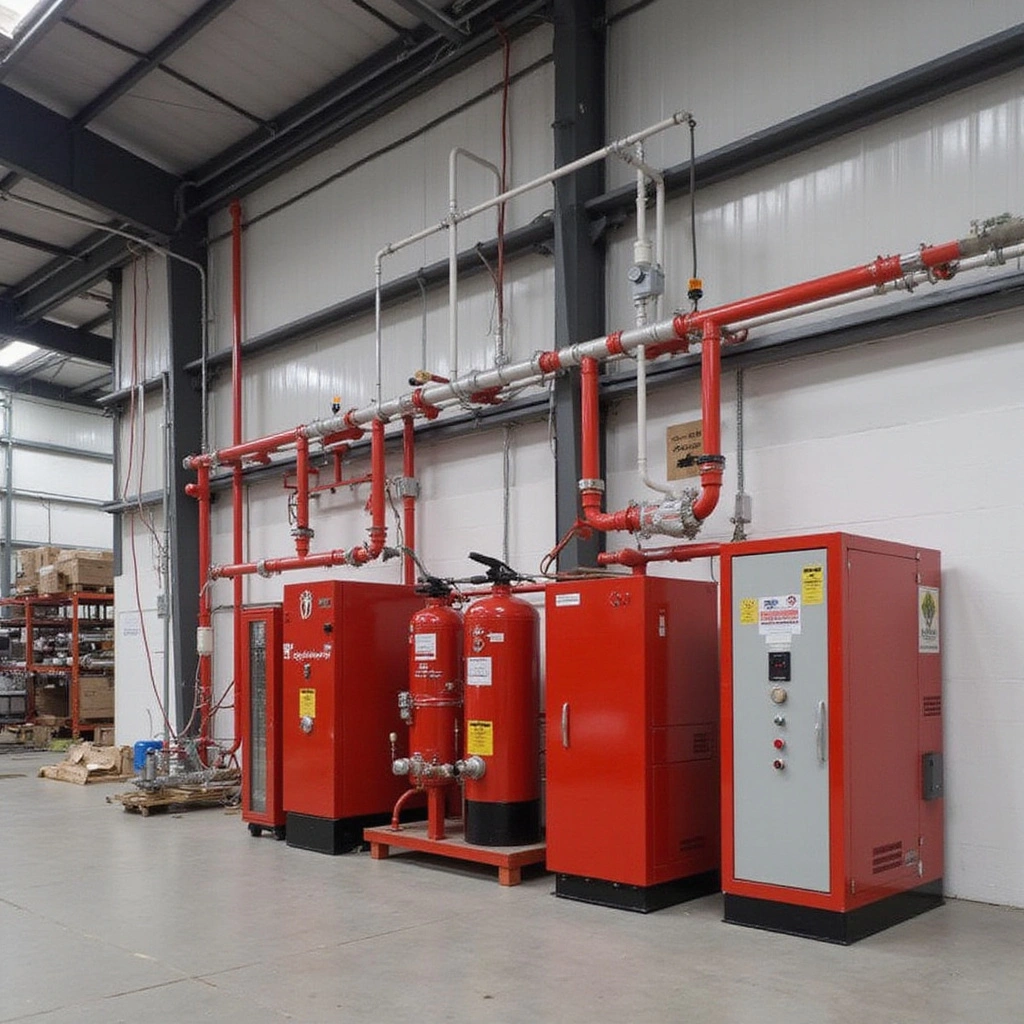
Types of Fire Suppression Systems

Water Based Systems
Traditional sprinkler systems that control fires quickly and effectively in most commercial environments
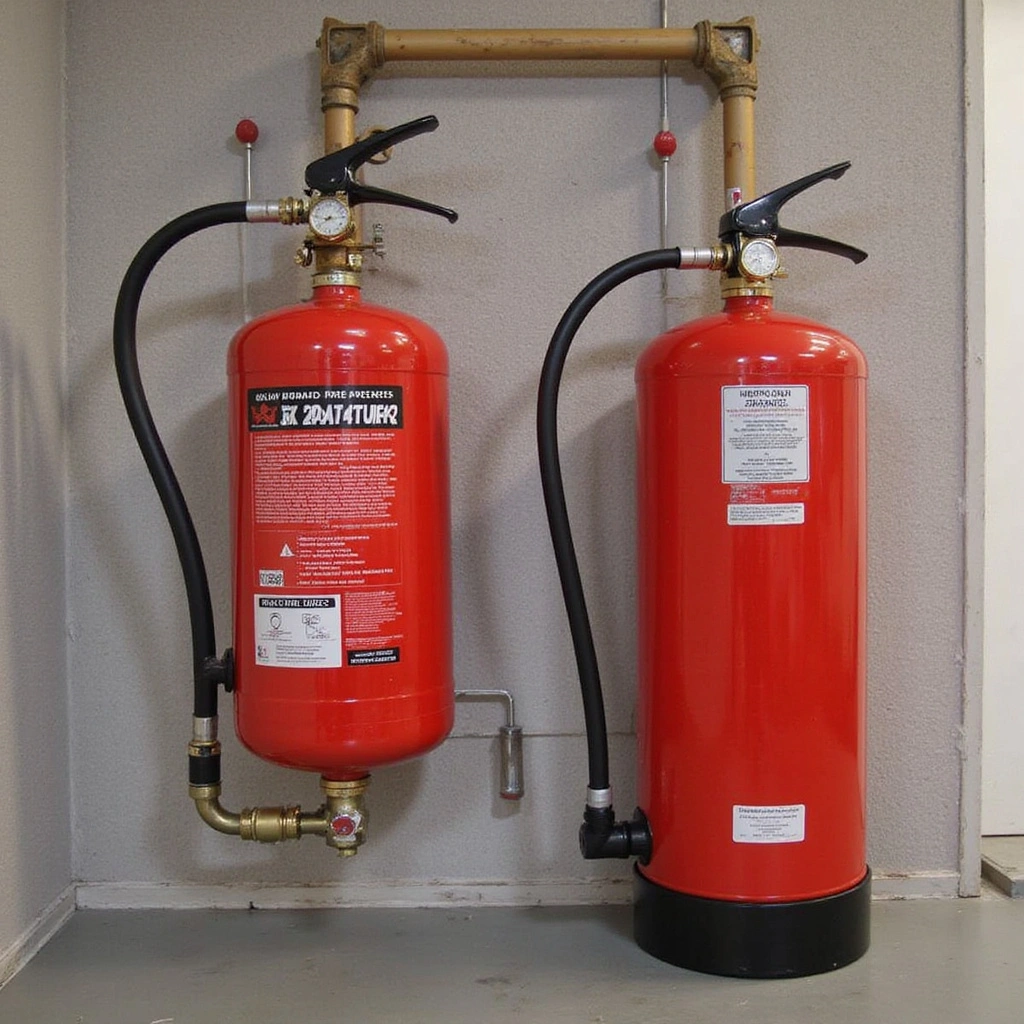
Clean Agent Systems
Use gas agents to suppress fire without damaging sensitive equipment, ideal for data centers and medical facilities

Dry Chemical Systems
Common in kitchens and manufacturing areas where rapid fire knockdown is critical
Sprinklermatic Fire Suppression Solutions
Sprinklermatic provides end to end fire suppression system services tailored to your property. From design and installation to inspection and maintenance, every system is built to perform when it matters most.
Custom System Design
Professional Installation
Routine Inspection and Maintenance
Retrofit and Upgrades
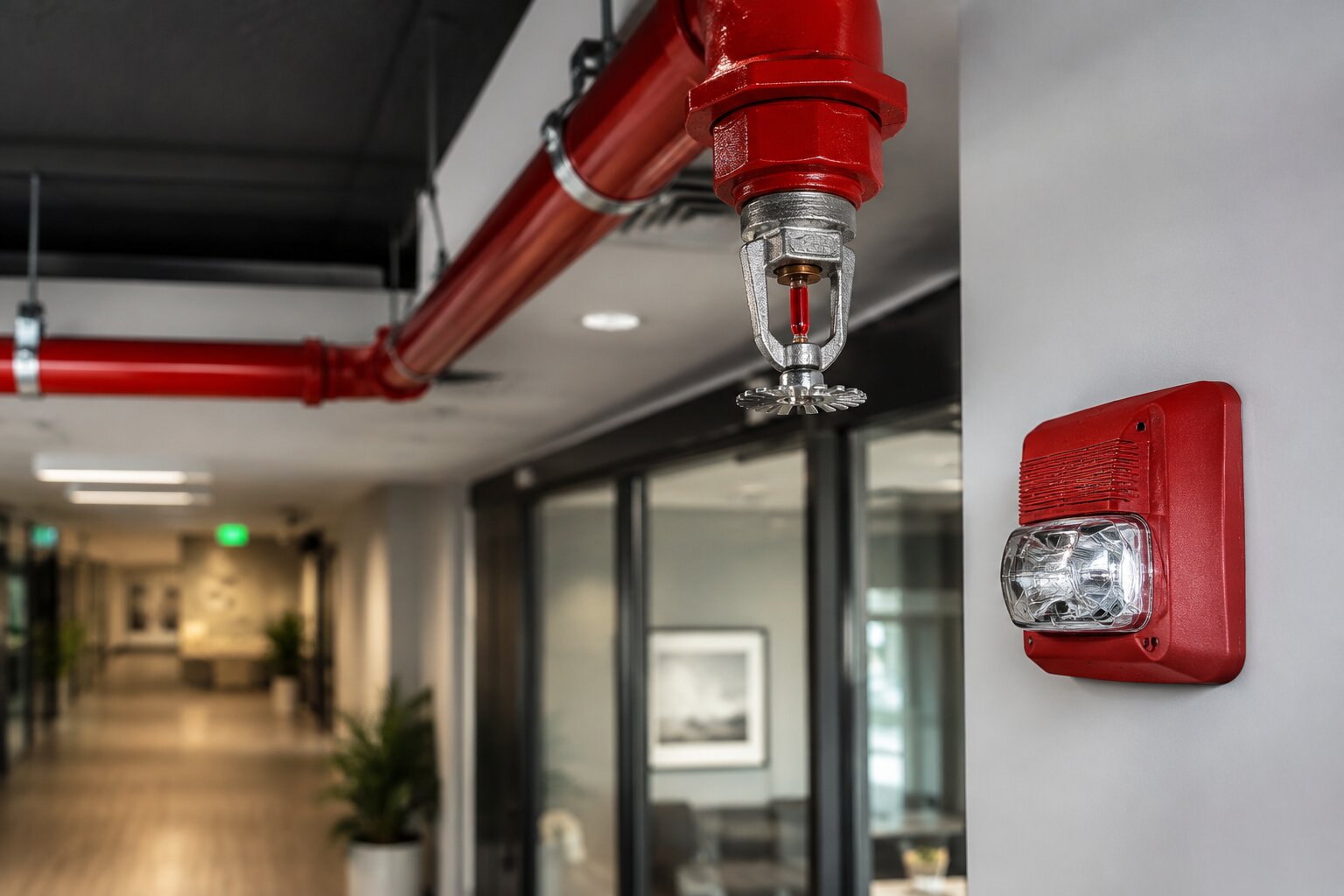
Why Fire Suppression Systems Matter
Protect Lives and Occupants

Ensure Code Compliance
Meet local and national fire safety regulations with professionally installed systems.

- Healthcare facilities that require continuous protection
- Educational institutions with high occupancy
- Retail and hospitality spaces focused on guest safety
- Industrial and manufacturing environments with elevated fire risk
- Commercial properties and multi tenant buildings
How to Choose the Right Fire Suppression System
Consider Equipment and Assets
Select systems that protect both structure and sensitive equipment
Review Compliance Requirements
Ensure your system meets all local fire codes and insurance standards

Partner With Experts
Work with experienced providers like Sprinklermatic for accurate design and installation
Frequently Asked Questions
What is the difference between fire sprinklers and fire suppression systems?
Are fire suppression systems required for commercial buildings
How often should systems be inspected
Can fire suppression systems protect electronics?
How long does installation take

Schedule Fire Protection Installation & Engineering Services
Protect your commercial property with professionally engineered and installed fire protection systems from Sprinklermatic.
Call 1-800-382-6688 today to schedule a consultation for fire sprinkler systems, fire alarms, life safety systems, inspections, retrofits, and commercial fire protection services throughout Florida.
24/7 Emergency Service:
water damage water mist dry chemical active fire suppression systems active fire suppression systems active fire suppression systems fire suppression system fire control systems fire extinguisher active fire suppression systems fire suppression system active fire suppression systems active fire suppression systems active fire suppression systems fire suppression systems water fire extinguishers sprinkler system active fire suppression systems co2 active fire suppression systems active fire suppression systems active fire suppression systems fire extinguisher fire sprinkler system fire extinguisher dry chemical fire extinguisher water damage fire extinguisher sprinkler system dry chemical active fire suppression systems active fire suppression systems active fire suppression systems water fire extinguishers sprinkler systems active fire suppression systems fire extinguishers water sprinkler system active fire suppression systems fire sprinkler systems active fire suppression systems active fire suppression systems fire extinguisher water active fire suppression systems fire extinguisher chemical agent sensor active fire suppression systems fire suppression system active fire suppression systems active fire suppression systems active fire suppression systems shutoff valve active fire suppression systems fire suppression systems active fire suppression systems active fire suppression systems sprinkler systems sprinkler system fire extinguisher fire extinguishers active fire suppression systems foam fire suppression systems active fire suppression systems valves fire extinguishers active fire suppression systems sprinkler system fire extinguisher dry chemical active fire suppression systems fire suppression systems active fire suppression systems fire suppression system inert gas systems fire suppression systems sprinkler system fire extinguisher dry chemical fire suppression systems fire suppression systems fire sprinkler systems fire suppression systems fire suppression system active fire suppression systems foam fire suppression systems fire suppression systems fire suppression systems dry chemical fire extinguishers fire extinguishers active fire suppression systems active fire suppression systems active fire suppression systems sprinkler system active fire suppression systems fire suppression systems fire sprinkler systems water active fire suppression systems foam sprinkler systems fire extinguishers sprinkler system valves foam aerosol co2 fire control systems fire extinguishing systems water damage fire extinguishers sprinkler system fire suppression systems active fire suppression systems fire extinguishers sprinkler system active fire suppression systems fire extinguisher fire extinguisher fire extinguishing systems active fire suppression systems fire extinguisher sprinkler system water damage fire suppression system active fire suppression systems water mist active fire suppression systems water damage aerosol aerosol fire suppression systems active fire suppression systems active fire suppression systems fire extinguisher active fire suppression systems foam dry chemical inert gas fire suppression active fire suppression systems fire extinguisher fire extinguisher sprinkler systems sprinkler system active fire suppression systems active fire suppression systems fire extinguisher fire extinguisher sprinkler system fire control systems fire suppression systems active fire suppression systems sensor inert gas systems fire extinguisher water mist water sprinkler system fire extinguisher sprinkler system
Fire Suppression Systems for Commercial Buildings
Fire Suppression Systems for Commercial Buildings
Fire suppression systems are essential fire protection for commercial buildings. Automatic fire suppression technology detects early, activates instantly, and controls fires in kitchens, warehouses, data centers, and patient areas. Our experts design code compliant fire suppression solutions and firefighting systems. Schedule your assessment and protect occupants, assets, and business continuity.
What Are Fire Suppression Systems and How Do They Protect Commercial Properties?
Fire Suppression Systems are automatic firefighting systems that detect, control, and extinguish fires before they shut down your business. Unlike a basic fire extinguisher, these engineered fire protection systems react in seconds, even when no one is on site.
Speed is critical in commercial buildings. Clean agent fire suppression systems protect server rooms and data centers with no residue and no water damage. Wet chemical systems over commercial kitchen hoods stop grease fires before they spread. Foam systems in warehouses and flammable liquid storage areas smother high risk fires that standard sprinkler systems struggle with.
Modern fire suppression technology integrates detection, control panels, suppression agents, and alarm systems into one automatic fire solution. Professionally designed installation helps you meet NFPA code requirements, protect life safety, and reduce downtime.
Do not wait for the next budget cycle. Request a no obligation fire suppression system assessment and quote today.
Types of Fire Suppression Systems for Commercial and Industrial Facilities
Modern Fire Suppression Systems are not one size fits all. As a facility manager, you must balance life safety, fire protection, code compliance, and downtime. The right fire suppression technology depends on your hazards, occupancy, and tolerance for water damage or residue.
Most commercial and industrial facilities combine multiple fire protection systems. Fire sprinkler systems and sprinkler systems provide broad coverage. Special hazard fire suppression systems protect high value equipment, data centers, and server rooms. Dedicated kitchen fire suppression safeguards commercial kitchens and food service areas. Automatic fire suppression tied to advanced detection and fire alarm systems can control a fire before the fire brigade arrives.
Integration is critical. Your fire detection, alarm systems, suppression agents, and control panels must work together to detect early, discharge quickly, and protect building occupants while limiting disruption. That requires expert planning, engineering, installation, and regular maintenance with inspections and testing for ongoing compliance with NFPA codes and local fire codes.
If you are unsure whether your current fire suppression system still meets code requirements or matches your present fire risks, you are not alone. Standards, guidelines, and suppression technology change quickly, especially for special hazard fire suppression, clean agent systems, and foam systems.
If you want a clear answer on which Fire Suppression Systems fit your facility, request a fire risk review and code compliance check. Our licensed team will walk your building, explain different types of firefighting systems in plain language, and deliver a precise, no obligation proposal.
How Commercial Fire Suppression Systems Work From Detection to Discharge
Commercial Fire Suppression Systems detect fire early, control it automatically, and protect people, property, and operations with minimal water damage or residue. A modern fire suppression system starts with advanced fire detection using smoke, heat, or flame sensors tied to a fire alarm control panel and fire alarm systems. Once a fire risk is confirmed, the system sends alarm signals, alerts building occupants, and triggers the correct suppression agent such as sprinkler systems, foam systems for flammable liquids, clean agent systems for data centers and server rooms, or wet chemical systems for commercial kitchens. Valves open, cylinders discharge, and suppression agents flow through piping to discharge nozzles or sprinkler heads in the hazard area. Automatic fire suppression limits fire growth and reduces reliance on manual fire extinguishers. For code compliant, commercial grade firefighting systems, schedule a no obligation assessment of your current fire suppression systems.
Fire Suppression System Design and Engineering for Complex Facilities
Modern Fire Suppression Systems for complex facilities cannot be off the shelf. Your building has unique fire risks, occupancy types, and code requirements that demand careful planning, engineering, and coordination. A data center, a commercial kitchen, and a warehouse with flammable liquids all need different fire suppression technology, suppression agents, and fire detection strategies.
Professional system design starts with a detailed fire risk review. Experts determine what needs protection, where water can be used, where clean agent systems, gaseous systems, or dry chemical systems are safer, and how to limit water damage to sensitive equipment. Engineers then size piping, valves, sprinkler heads, and components so your fire protection system activates fast, discharges correctly, and protects building occupants without unnecessary residue or downtime.
A well engineered fire suppression system also plans for future expansion, maintenance access, and integration with fire alarm systems, remote monitoring, and building management systems. That means fewer surprises during inspections, smoother testing, and lower lifecycle costs.
If you manage commercial buildings, industrial facilities, healthcare campuses, or multi tenant properties, expert system design is the difference between passing inspection and being ready for a real fire. Talk with our licensed fire protection engineers today for a no obligation review of your current fire suppression systems and a clear plan to upgrade or design from the ground up.
How professional fire suppression system design supports code compliance
Professional fire suppression system design aligns your Fire Suppression Systems with NFPA standards, local fire codes, and insurance requirements. Engineers match the right fire control systems to each hazard. They calculate water supply, pressure, and discharge rates, confirm coverage for every occupancy type, and document everything for approvals.
Proper design also coordinates detection, alarm systems, and automatic fire suppression actuation so your fire extinguishing systems stay compliant as codes evolve.
Installation of Fire Suppression Systems for New Construction and Retrofits
What to expect during commercial fire suppression system installation
Installation of Fire Suppression Systems is more than placing hardware. You are deploying fire protection systems that must perform during the worst fire safety event your facility will face. We begin with a detailed site walk, code review, and engineering layout tailored to your occupancy, hazards, and future expansion.
You receive coordinated drawings, hydraulic calculations, and system design that integrate sprinkler systems, clean agent systems, foam systems, and fire alarm systems with ceilings, ductwork, and electrical. For new construction, we align with your build schedule. For retrofits, we phase work so tenants stay open and fire safety and compliance are never compromised.
During installation, our technicians install and label piping, valves, sprinkler heads, detection devices, discharge nozzles, and control panels. We perform pressure testing, flushing, and functional testing of every fire suppression system component. Water supply, detection, discharge, monitoring, and alarm systems are verified to meet NFPA codes, local regulations, and your insurance requirements.
You finish with staff training, as built drawings, and a clear guide to inspections, testing, and regular maintenance so your fire control systems, extinguishers, and firefighting systems remain reliable. Schedule a commercial fire suppression installation review to plan your project with no surprises.
Phased installation planning for occupied and high-risk facilities
In occupied or high risk facilities, shutting down for fire suppression installation is rarely possible. We map critical areas such as server rooms, data centers, commercial kitchens, healthcare spaces, and flammable liquid storage, then rank fire risks and business impact.
We create a phase by phase schedule that defines which zones receive new fire sprinkler systems, clean agent fire suppression, foam deluge systems, or gaseous systems first, how long each shutdown lasts, and what temporary fire protection or fire extinguishers cover you between phases.
Inspection, Testing, and Maintenance of Fire Suppression Systems
Required inspection and testing schedules for fire suppression equipment
Fire Suppression Systems only protect your business when inspections and testing follow strict schedules. Codes, NFPA standards, and insurers all require documented inspections for sprinkler systems, clean agent systems, foam deluge systems, kitchen hood suppression, and portable fire extinguishers.
Most fire suppression systems use a layered schedule. Sprinkler systems and fire control systems need weekly or monthly visual checks of valves, gauges, and alarm interfaces, quarterly testing of waterflow and alarm devices, and annual testing of components and fire detection. Clean agent fire suppression systems, gaseous systems, and co2 systems require at least semi annual inspections, cylinder pressure checks, and periodic discharge tests. Kitchen fire suppression and wet chemical systems demand more frequent inspections because of grease, heat, and heavy use.
Missing inspections can void warranties, trigger code violations, and leave you exposed if a fire damages critical equipment, data centers, server rooms, or industrial facilities. Failed tests during an AHJ visit or insurance audit can lead to fines, shutdowns, or higher premiums.
If you are unsure whether your schedule meets NFPA, manufacturer, and insurance requirements, it is time to tighten it. Ask us to design a compliant inspection and testing program for all your fire suppression systems, from fire sprinkler systems to clean agent suppression and foam systems.
Documenting inspections for AHJ, insurance, and risk management
Inspection is only half the job. The other half is documentation that satisfies the Authority Having Jurisdiction, insurers, and internal risk management.
Every inspection and test on your fire suppression systems, sprinkler systems, fire extinguishers, and special hazard firefighting systems should create a clear record of dates, technicians, components, tests, readings, deficiencies, and corrective actions. Strong documentation proves compliance with NFPA codes and supports claims when fire suppression systems are needed most.
Fire Suppression System Repairs, Upgrades, and Modernization
Common fire suppression system issues and how professionals resolve them
When Fire Suppression Systems start failing, the warning signs are subtle. You might see low pressure on a gauge, trouble signals on the fire alarm system, corroded sprinkler heads, or a kitchen hood nozzle clogged with grease. Ignoring these issues can turn a simple repair into a major fire risk, costly water damage, and code violations.
Typical problems include leaking piping, corroded sprinkler systems, clogged discharge nozzles, damaged valves, and outdated control panels that no longer meet NFPA codes or local requirements. In special hazard areas such as data centers, server rooms, and industrial facilities, failures often involve clean agent systems, gaseous systems, CO2 cylinders losing pressure, expired suppression agents, or faulty fire detection sensors.
A licensed fire protection contractor does more than reset alarms. They inspect, test, and pinpoint root causes, then repair wet pipe or dry pipe sections, replace sprinkler heads, recalibrate detection systems, and retrofit older fire extinguishing systems with modern clean agent fire suppression technology that leaves no residue on sensitive equipment.
Modernization often delivers the best long term value, upgrading aging firefighting systems to water mist, foam deluge systems, or clean agent suppression solutions that reduce water use, downtime, and risk.
24/7 Emergency Fire Suppression System Service and Response
When Fire Suppression Systems activate at 2 a.m., you need fast, expert fire protection, not voicemail. Our licensed, insured emergency team responds instantly for all fire control systems and firefighting systems, including sprinkler systems, clean agent fire suppression, foam deluge systems, dry chemical systems, water mist, gaseous systems, and fire alarm systems.
We isolate damage, restore pressure, reset panels, and return automatic fire suppression to service. From commercial kitchens to data centers and industrial facilities, we protect people, equipment, and compliance. Unsure your fire suppression system is safe right now Call our 24/7 line.
Fire Suppression Systems for Specialized Occupancies and High-Risk Hazards
Fire suppression solutions for healthcare, education, retail, and hospitality
Hospitals, schools, retail centers, and hotels need Fire Suppression Systems engineered for strict codes and special hazards. Healthcare and senior living require sprinkler systems plus clean agent fire suppression systems where water damage is unacceptable. Education facilities need rugged fire protection systems for labs and kitchens. Retail and shopping centres demand fast acting sprinkler systems and foam deluge systems for flammable liquids. Hotels and resorts rely on wet chemical kitchen hood suppression and automatic fire sprinkler systems. We design, installation, inspection, and maintenance solutions that keep you compliant, protected, and operational.
Compliance, Codes, and Standards for Fire Suppression Systems
How NFPA standards and local codes impact fire suppression system design
Fire Suppression Systems succeed on compliance. NFPA standards and local fire codes shape every aspect of fire suppression system design, from suppression agents and sprinkler systems to detection, piping, and sprinkler head spacing. Different types of facilities such as data centers, commercial kitchens, warehouses, and healthcare occupancies fall under different NFPA requirements, fire risks, and fire protection considerations. NFPA 13, NFPA 72, NFPA 2001, and related codes govern how fire sprinkler systems, clean agent fire suppression, foam systems, and dry chemical systems are engineered, installed, tested, and maintained. Local amendments add more requirements, so what passes in one jurisdiction can fail in another. A licensed fire protection partner designs fire suppression systems around your hazards, water supply, pressure, and occupancy, then cross checks every component against NFPA standards and local regulations. For code compliant fire suppression technology, request a design review and quote today.
Why Commercial Properties Trust Sprinklermatic for Fire Suppression Systems
When you manage a commercial building, you are judged on one thing during a fire: did the fire suppression systems work when it mattered. Sprinklermatic is trusted because they design, install, and maintain fire protection systems that perform under pressure, not just on paper. From sprinkler systems to clean agent fire suppression in data centers and server rooms, every solution is engineered around your occupancy, hazards, and code requirements.
Property owners choose Sprinklermatic for their mix of engineering depth and real world field experience. Their teams understand NFPA codes, insurance requirements, and how to balance fire safety with business continuity, water damage risk, and life safety. That means smarter choices between water based fire sprinkler systems, foam systems, gaseous systems, and special hazard fire suppression technology.
You get one point of accountability for design, installation, inspections, testing, and ongoing maintenance of your fire suppression system. No finger pointing between contractors, no guessing who to call when an alarm system trips at 2 a.m. If you are responsible for commercial buildings, industrial facilities, or multi tenant properties, schedule a fire protection system review with Sprinklermatic today and see where your current fire suppression system may be leaving you exposed.
Request a Fire Suppression Systems Assessment and Proposal
Schedule a professional assessment of your Fire Suppression Systems today. Our engineers inspect sprinkler systems, fire extinguishing systems, hood suppression, and fire alarm systems for code compliance, reliability, and water damage risk. Receive a clear, itemized proposal with optimized fire protection, detection, monitoring, and maintenance solutions.