 Skip to content

Sprinkler Retrofits for Improved Fire Protection
24/7 Emergency Service:
Sprinkler Retrofits help older buildings gain the protection of modern fire sprinkler systems. Sprinklermatic provides professional Sprinkler Retrofit services for commercial properties, allowing existing structures to upgrade their fire protection while meeting current safety standards and building requirements.
For commercial property owners, facility managers, contractors, and property management firms, retrofitting a sprinkler system is an effective way to improve life safety without completely rebuilding existing infrastructure. Many older buildings were constructed before sprinkler systems became common or required by fire codes. Retrofitting helps bring these properties up to modern safety expectations.
Why Sprinkler Retrofits Are Important
Older buildings often rely on outdated fire protection systems or may not have sprinkler protection at all. Without a properly designed sprinkler system, fires can spread more quickly and cause significant damage to both property and occupants.
Sprinkler Retrofits allow an existing building to gain the benefits of automatic fire suppression. Installing modern sprinkler equipment can significantly reduce fire damage, protect occupants, and improve emergency response conditions.
In many cases, local fire codes, insurance requirements, or building renovations may require a retrofit. Upgrading an older building with a sprinkler system can also help property owners improve compliance and increase overall building safety.
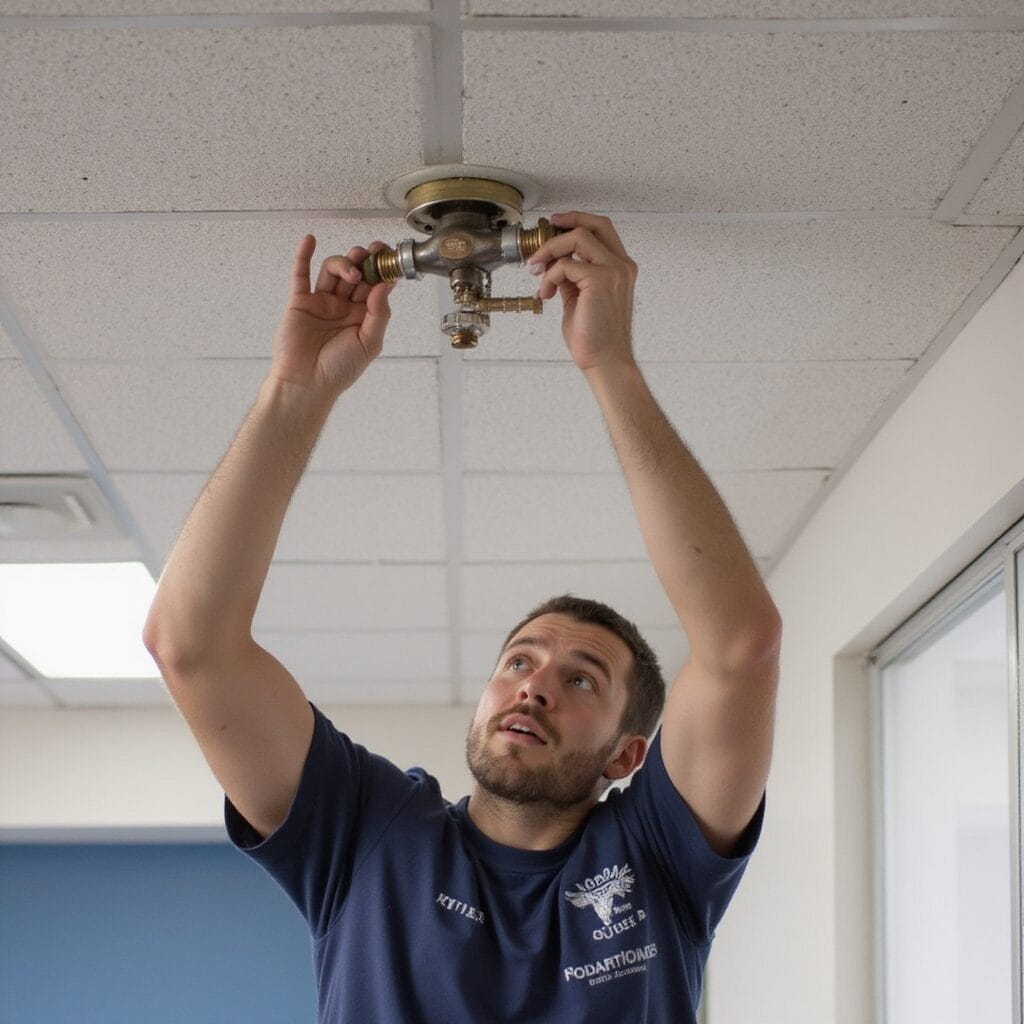
Our Sprinkler Retrofit Process
Sprinklermatic follows a structured process to retrofit fire sprinkler systems while minimizing disruption to building operations.

Building Assessment and System Planning

System Installation

Testing and Compliance Verification
Facilities We Serve
Sprinklermatic provides Sprinkler Retrofit services for office buildings, hotels, healthcare facilities, schools, retail centers, warehouses, and other commercial properties that require improved fire protection.

Improve Fire Safety with Sprinkler Retrofits
Retrofitting a sprinkler system can dramatically improve the fire safety of an older building. Modern sprinkler systems help control fires quickly, protect occupants, and reduce property damage.
Sprinklermatic delivers professional retrofit solutions, experienced technicians, and detailed documentation to help commercial buildings achieve reliable fire protection.
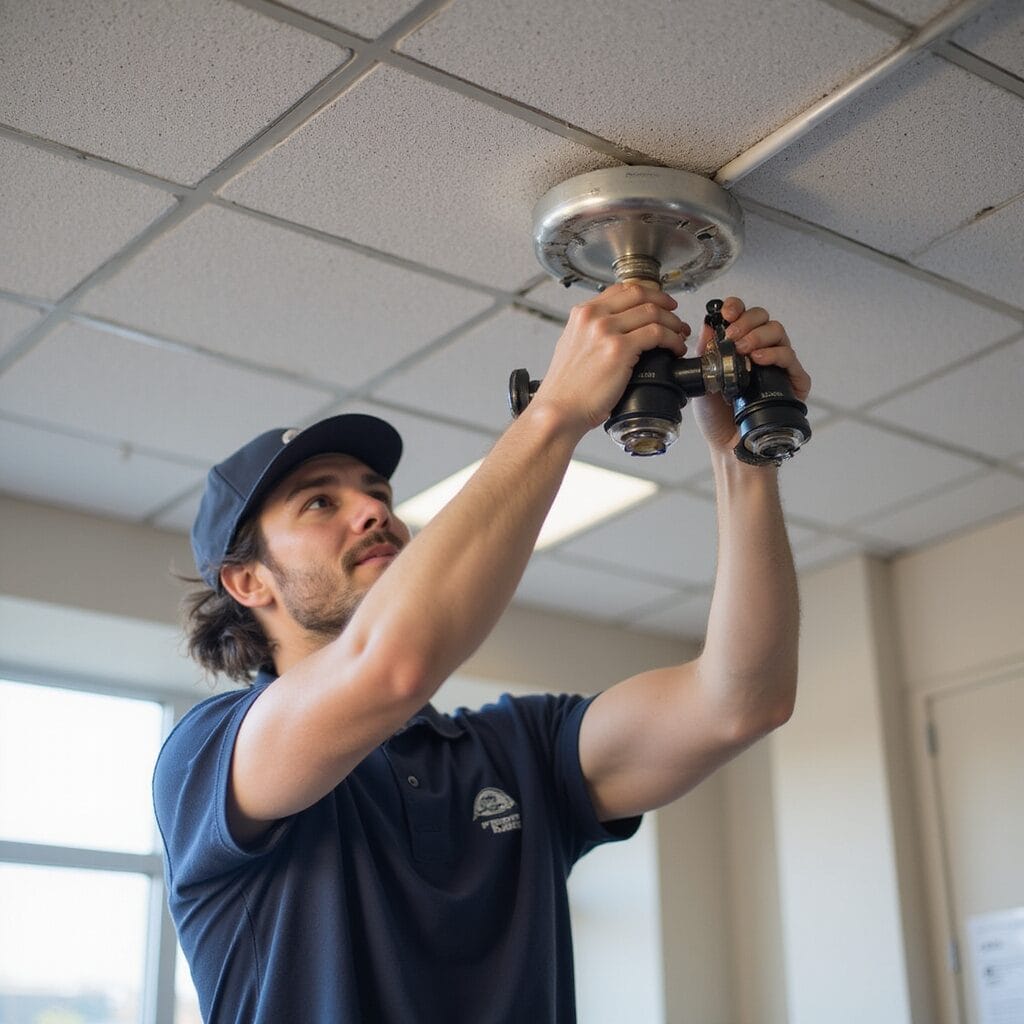
Frequently Asked Questions
What is a sprinkler retrofit?
Are sprinkler retrofits required for older buildings?
Can sprinklers be installed in older buildings?
Will a retrofit disrupt building operations?
Why are sprinkler retrofits beneficial?
Sprinkler retrofits improve building safety, help meet fire codes, and reduce the risk of severe fire damage.
Schedule Fire Protection Installation & Engineering Services
Protect your commercial property with professionally engineered and installed fire protection systems from Sprinklermatic.
Call 1-800-382-6688 today to schedule a consultation for fire sprinkler systems, fire alarms, life safety systems, inspections, retrofits, and commercial fire protection services throughout Florida.

24/7 Emergency Service:
cost fire sprinkler automatic sprinkler retrofits sprinklers commercial sprinkler retrofits retrofit fire suppression systems automatic sprinkler retrofits fire sprinklers fire sprinkler systems fire safety codes fire safety commercial sprinkler retrofits sprinkler system fire sprinkler automatic sprinkler retrofits automatic sprinkler retrofits fire suppression high-rise fire sprinkler system fire sprinkler automatic sprinkler retrofits commercial sprinkler retrofits commercial sprinkler retrofits fire sprinkler system commercial sprinkler retrofits distribution centers nfpa automatic sprinkler retrofits fire safety fire protection fire sprinkler system automatic sprinkler retrofits automatic sprinkler retrofits control valve automatic sprinkler retrofits sprinkler system automatic sprinkler retrofits fire sprinkler fire suppression fire pumps sprinklers cpvc sprinkler commercial sprinkler retrofits fire code automatic sprinkler retrofits automatic sprinkler retrofits fire sprinkler retrofit commercial sprinkler retrofits commercial sprinkler retrofits fire sprinkler cpvc fire suppression fire sprinkler retrofits commercial sprinkler retrofits fire protection fire protection garden sprinkler retrofits fire protection sprinklers retrofit automatic sprinkler retrofits standpipes lawn sprinkler automatic sprinkler retrofits sprinkler systems fire protection fire protection sprinkler piping sprinkler automatic sprinkler retrofits fire sprinkler system commercial sprinkler retrofits commercial sprinkler retrofits high-rise fire safety cost nfpa fire sprinkler system fire sprinkler commercial sprinkler retrofits sprinkler commercial sprinkler retrofits fire sprinkler cost fire sprinkler automatic sprinkler retrofits cpvc automatic sprinkler retrofits fire sprinkler fire sprinkler fire safety sprinklers automatic sprinkler retrofits fire sprinklers automatic sprinkler retrofits commercial sprinkler retrofits fire protection fire hazards automatic sprinkler retrofits nfpa automatic sprinkler retrofits sprinkler commercial sprinkler retrofits sprinkler system cost microhospitals fire protection nfpa commercial sprinkler retrofits fire suppression warehouses automatic sprinkler retrofits sprinkler fire protection sprinkler fire sprinkler fire sprinklers commercial sprinkler retrofits sprinkler system sprinklers fire safety commercial sprinkler retrofits sprinklers fire sprinkler sprinklers sprinkler system sprinkler fire protection automatic sprinkler retrofits sprinkler retrofit sprinkler systems fire sprinkler retrofits fire protection nfpa data centers fire sprinkler system fire sprinklers fire sprinkler sprinklers fire safety fire suppression commercial sprinkler retrofits automatic sprinkler retrofits automatic sprinkler retrofits sprinklers fire suppression sprinkler
Sprinkler Retrofits for Commercial Fire Protection Systems
Sprinkler retrofits allow building owners to upgrade outdated fire protection systems without the need for a full reconstruction. Instead of replacing everything, retrofitting focuses on improving and modernizing the existing system so it meets current fire codes, NFPA 13 standards, and real operational demands. This approach saves time, reduces costs, and minimizes disruption to tenants and business operations.
In commercial properties, sprinkler retrofits are often the most practical solution when systems begin to show signs of wear or fall out of compliance. Aging pipes, outdated valves, corroded components, and changes in building layout can all affect system performance. These issues are commonly discovered during routine inspections, renovations, or tenant improvements.
A properly planned retrofit ensures your system performs when it matters most. It improves life safety, reduces the risk of property damage, and helps prevent costly shutdowns caused by failed inspections or fire events. For buildings that remain occupied during upgrades, retrofit work can be phased and coordinated with other systems like fire alarms to limit downtime and maintain protection throughout the process.
If your building is facing code violations, repeated repairs, or upcoming renovations, a professional sprinkler retrofit evaluation is the smartest first step.
What Are Sprinkler Retrofits and When Do Commercial Buildings Need Them?
Sprinkler retrofits are targeted modifications made to an existing fire sprinkler system to bring it in line with current fire safety standards. Unlike new installations, retrofits work within the framework of the existing system, upgrading only what is necessary to achieve compliance and improve performance.
Many commercial buildings operate with systems that were installed decades ago. While these systems may still function, they often do not meet modern requirements or reflect how the building is currently used. A system that was designed for light office use, for example, may no longer be adequate if the space is converted into a medical facility, warehouse, or restaurant.
Retrofits are typically required when a building undergoes renovations, changes occupancy, or experiences repeated system issues. Insurance companies may also require upgrades after inspections or risk assessments. Even if a system is technically grandfathered under older codes, it can still present significant liability if it fails during an emergency.
Another major factor is business continuity. A poorly performing sprinkler system can lead to excessive water damage, extended downtime, and costly repairs after a fire. Retrofitting ensures the system responds quickly and efficiently, reducing both fire and water-related losses.
How Sprinkler Retrofits Improve Life Safety and Code Compliance
The primary goal of any sprinkler retrofit is to enhance life safety. Fire sprinkler systems are designed to control heat and smoke in the early stages of a fire, giving occupants time to evacuate safely and allowing emergency responders to act more effectively.
Modern fire codes require systems to be designed based on current occupancy types, hazard classifications, and building configurations. During a retrofit, these factors are carefully evaluated to ensure the system meets all necessary requirements. Inspectors will assess elements such as sprinkler head spacing, pipe sizing, water pressure, and potential obstructions.
By aligning your system with current standards, you reduce the risk of failed inspections, penalties, and emergency compliance issues.
Defining Sprinkler Retrofits vs. New Installation
Sprinkler retrofits focus on upgrading an existing system while preserving functional components like risers and mains. This makes them more cost-effective and less disruptive than full system replacements.
New installations, on the other hand, are typically required for new construction or complete structural renovations where no usable system exists.
Common Triggers for Sprinkler Retrofits
Several situations can trigger the need for a retrofit. These include tenant build-outs, building expansions, changes in storage configurations, recurring leaks, and failed inspections. Fire alarm upgrades can also reveal gaps in the sprinkler system that require attention.
Impact of Occupancy Changes
When a building’s use changes, the fire risk profile also changes. For example, converting office space into a healthcare facility or increasing storage density in a warehouse may require higher water flow and different system designs.
Role of Fire Codes and Insurance Requirements
Fire codes such as NFPA 13 and NFPA 101 are continuously updated to reflect new safety standards. Insurance providers also impose requirements based on risk assessments. These factors often drive the need for retrofits, even in older buildings.
Benefits of Retrofitting
Retrofitting improves safety, protects assets, and reduces downtime after fire incidents. It can also lead to lower insurance premiums and increased property value.
When Upgrades Are More Cost Effective
If your system requires frequent repairs or suffers from ongoing performance issues, a retrofit may be more cost-effective than continuing with temporary fixes.
Signs Your System Needs Retrofitting
Warning signs include corrosion, outdated components, low water pressure, freezing issues, and repeated inspection failures. Addressing these issues early can prevent larger problems later.
Types of Sprinkler Retrofits for Commercial and Industrial Facilities
Every building has unique requirements, which means sprinkler retrofits must be customized. The approach depends on factors such as occupancy type, building layout, water supply, and operational needs.
Office, Mixed-Use, and Multi-Tenant Buildings
In these environments, retrofits often involve relocating sprinkler heads to accommodate new walls, ceilings, and lighting. Work must be carefully planned to minimize disruption to tenants.
Industrial and Warehouse Facilities
These facilities often require more extensive upgrades due to higher fire risks. Changes may include increasing pipe sizes, installing ESFR systems, or adding in-rack sprinklers for high-piled storage.
Healthcare and Educational Facilities
These buildings require continuous operation, making downtime a critical concern. Retrofit strategies often involve phased work and specialized systems to maintain safety without disrupting services.
Retail and Hospitality Spaces
Restaurants, hotels, and entertainment venues often require adjustments to address kitchens, concealed spaces, and high occupant loads. Compliance with fire codes is especially strict in these environments.
Special Hazard and High-Risk Areas
Facilities such as data centers and cold storage areas may require specialized systems like preaction or dry pipe systems. These environments demand precise design to balance protection and operational requirements.
Aesthetic Considerations
In finished spaces, maintaining a clean and professional appearance is important. Retrofit designs can incorporate concealed or recessed sprinkler heads to minimize visual impact.
Coordinating with Other Systems
Combining sprinkler retrofits with other building upgrades, such as plumbing or fire alarm systems, improves efficiency and reduces overall project costs.
Sprinkler Retrofits with Sprinklermatic: Process, Design, and 24/7 Support
Our End-to-End Sprinkler Retrofit Process
Initial Consultation and Evaluation
The retrofit process begins with a comprehensive site survey. This includes evaluating existing components such as risers, valves, piping, and water supply. The goal is to identify deficiencies and determine the best upgrade strategy.
During this phase, special attention is given to operational constraints. Whether the building houses tenants, patients, or critical equipment, the retrofit plan is designed to minimize disruption.
Engineering and Code Analysis
Accurate hydraulic calculations are essential to ensure the system can deliver adequate water flow and pressure. This step also involves reviewing fire codes and occupancy requirements to ensure full compliance.
If limitations are identified, solutions such as fire pumps or water storage systems may be recommended.
Design-Build Coordination
A design-build approach streamlines the retrofit process by combining design and installation under one team. This improves communication, reduces errors, and ensures the project stays on schedule.
Coordination with contractors and other trades is critical to avoid conflicts and ensure proper installation.
Permitting and Approval
Navigating the permitting process can be complex. Proper documentation and communication with local authorities are essential to avoid delays and ensure approvals are secured quickly.
Installation and Execution
Installation is carefully planned to minimize downtime. Work is often completed in phases, with scheduled shutdowns to maintain safety and operational continuity.
Testing and Certification
Once installation is complete, the system undergoes rigorous testing to ensure it meets all requirements. This includes pressure tests, alarm checks, and final inspections.
Documentation is provided to confirm compliance and support insurance requirements.
Ongoing Maintenance and Support
After the retrofit is complete, ongoing maintenance is essential to keep the system functioning properly. Regular inspections and prompt repairs help prevent future issues.
Access to 24/7 emergency support ensures that any problems are addressed quickly, maintaining safety and compliance at all times.