 Skip to content

Fire Alarm Testing Services for Reliable Code Compliant Protection
24/7 Emergency Service:
Professional Fire Alarm Testing ensures your life safety system works when it matters most. Commercial buildings depend on accurate detection, fast occupant notification, and reliable signal transmission. Without routine testing, hidden issues like wiring faults, battery failure, or detector sensitivity drift can compromise performance. Regular testing confirms every component functions properly and complies with NFPA 72 and local fire codes.
Comprehensive Fire Alarm Testing for Commercial Properties
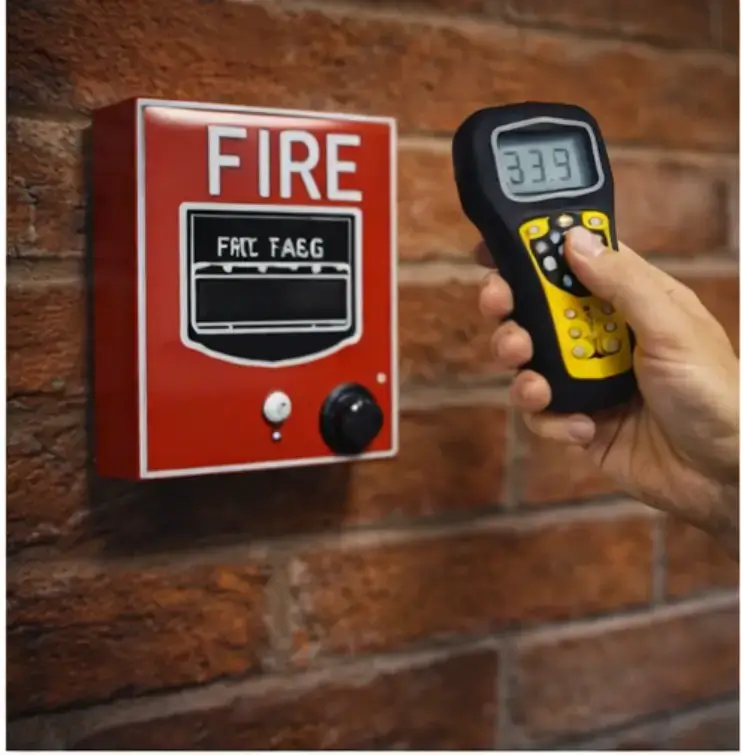
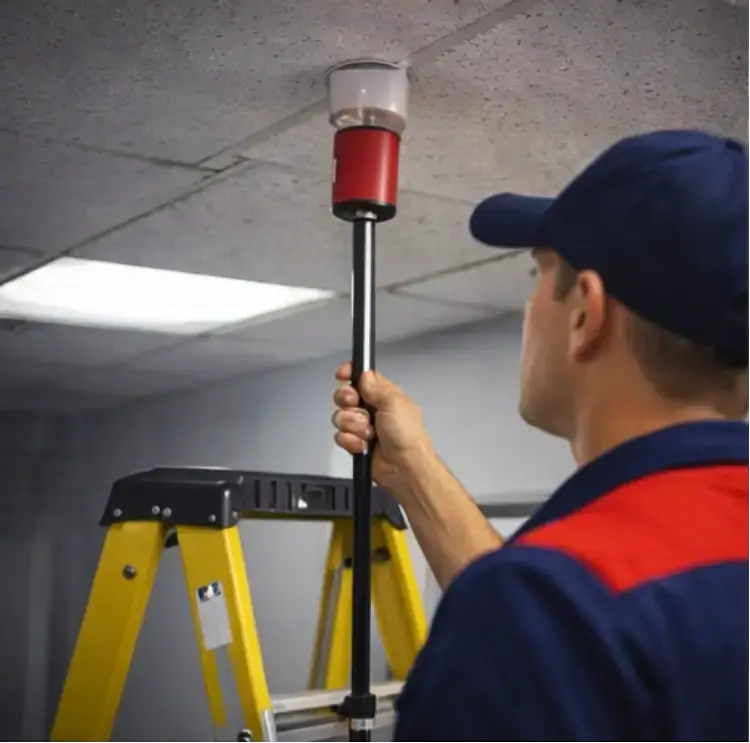
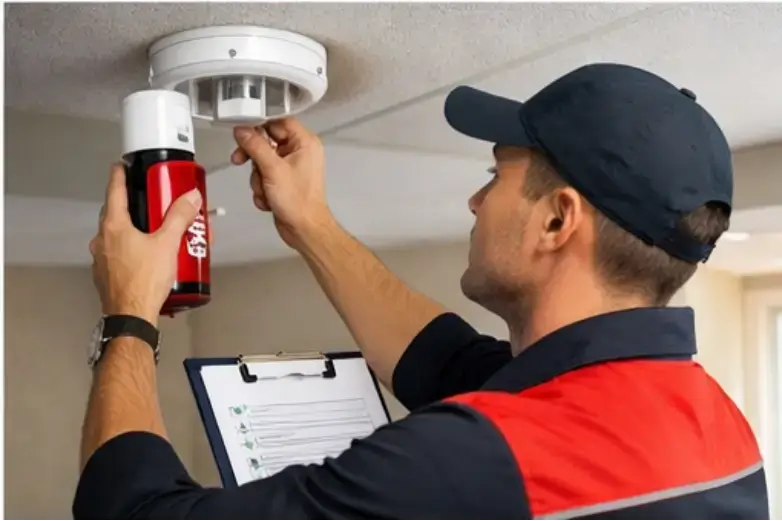
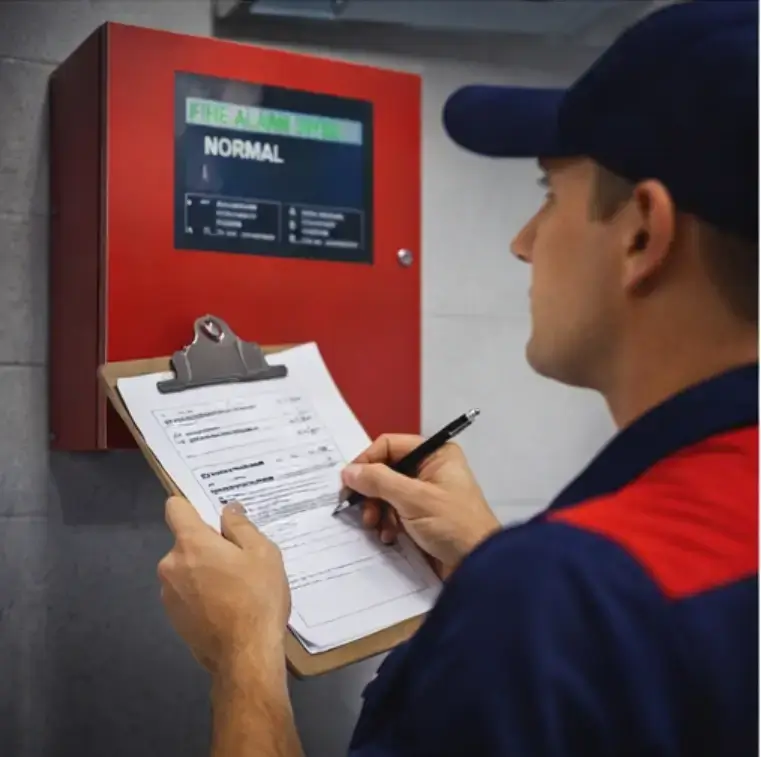
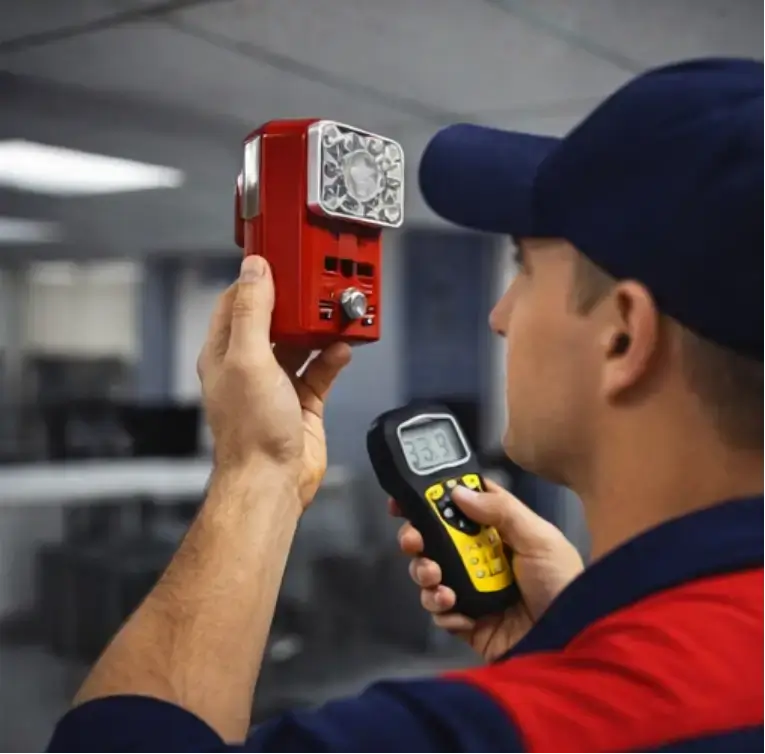
Fire alarm systems are complex networks of interconnected devices. A complete Fire Alarm Testing program evaluates system performance from detection to notification and communication. Typical procedures include control panel checks, smoke and heat detector testing, manual pull station activation, horn and strobe testing, battery load checks, and signal verification to monitoring services. Each step ensures proper activation and system response.

Routine Fire Alarm Testing keeps your building compliant with fire regulations. Proper documentation supports inspections, audits, and insurance requirements while helping avoid fines and liability risks.
Even if a system appears functional, hidden issues can exist. Weak batteries, damaged wiring, or communication failures may prevent alarms from activating. Regular testing identifies problems early, reducing downtime and repair costs.
Frequently Asked Questions
How often is Fire Alarm Testing required
Will alarms sound during testing
What happens if the system fails a test
Is documentation provided after testing
Can testing reduce false alarms
alarm system fire alarm system fire alarm battery inspection smoke alarms compliance commercial fire alarm testing smoke detector fire alarm system nfpa 72 checklist fire alarm panel visual inspection battery fire alarm systems power supply fire alarm system alarm systems fire alarm fire alarm system fire alarm systems heat detectors fire alarm compliance fire alarm compliance alarm system alarm system battery smoke detectors smoke alarm smoke alarm smoke detectors smoke alarms compliance smoke alarms
Fire Alarm Testing: Comprehensive Commercial Guide for Code Compliant Safety
A fire alarm system only protects if it works every time. Our professional Fire Alarm Testing covers visual inspection, functional testing, smoke detector testing, documentation, and troubleshooting. Stay compliant with NFPA 72, avoid fines and failures, and contact us to schedule testing fire alarms today.
What Is Fire Alarm Testing and Why Your Commercial Building Needs It
Fire Alarm Testing is the only reliable way to know your fire alarm system will work when lives and your investment are at risk. A quiet fire alarm panel can still hide dust clogged smoke detectors, weak battery backup, faulty wiring, corrosion, and notification appliances that will not activate when needed.
How fire alarm systems work in commercial buildings devices, panels, notification
In a commercial building, a failed fire alarm check creates more than fire safety risks. You face fire code and NFPA violations, insurance requirements not being met, costly downtime, and serious liability if occupants are not warned. Regular inspection and testing fire alarm systems proves that your alarm system, alarm panels, devices, wiring, and alarm and signaling all comply with NFPA 72, signaling code, and local regulations.
Key fire alarm system components: smoke detectors, heat detectors, notification appliances
Professional testing fire alarms gives you documented proof that every zone, initiating device, smoke detector, heat detector, and notification appliance has passed functional testing for proper operation. Technicians examine system components, perform smoke detector testing and sensitivity testing, verify communication systems, and document any deficiencies or failures.
What happens during professional fire alarm testing and inspection
Clear testing procedures and documentation give you accurate records for inspectors, AHJ, audits, and insurance claims. These records show that your inspection and testing schedule, visual inspections, and regular maintenance follow best practices, support system reliability, and address common issues found during alarm inspections.
Step by step inspection process: visual inspection, functional testing, documentation
If you manage commercial alarm systems and want fewer malfunctions, fewer system failures, and better compliance, schedule Fire Alarm Testing with trained and certified technicians. Regular testing ensures that system inspections, troubleshooting, and battery replacement happen before failures before an emergency.
How certified technicians document results and maintain fire alarm testing records
Contact us today to discuss your building, current testing schedule, inspection process, and layout so we can plan comprehensive testing services. We will inspect and test your fire alarm systems to NFPA specifications, verify proper operation of interconnected alarms and manual pull stations, and keep your fire alarm inspection documentation code ready.
NFPA 72, codes, and compliance requirements for fire alarm testing
To NFPA best practices, regular testing ensures your fire alarm system will perform during an emergency. Contact us to schedule comprehensive Fire Alarm Testing today.
How often should fire alarm systems be inspected and tested in Florida commercial properties
Commercial Fire Alarm Testing best practices start with a clear, repeatable checklist. Regular Fire Alarm Testing protects life safety, compliance, and your liability by keeping you aligned with NFPA 72, local codes, and insurance requirements.
Commercial Fire Alarm Testing Best Practices, Checklists, and Common Issues
Fire alarm testing checklist for facility managers and property teams
For weekly Fire Alarm Testing or visual inspections, facility managers should verify fire alarm panels and annunciators show no troubles, that power supplies and battery backup are healthy, and that smoke detectors, manual pull stations, and other initiating devices are clean, unobstructed at the ceiling, and responsive. Test notification appliances so strobes, speakers, and sounders provide proper operation in all occupied zones. Document every fire alarm check, inspection process, deficiencies, and corrective actions to maintain accurate records.
Common failures found during fire alarm inspections and how to troubleshoot them
Common issues found during Fire Alarm Testing include ground faults, faulty wiring, failed notification devices, dirty smoke alarms, and outdated programming. Professional testing services perform functional testing, detector sensitivity testing, and alarm inspections, then troubleshoot failures before they impact system reliability.
Battery backup, wiring, and detector sensitivity issues that impact system reliability
Battery backup, wiring faults, and detector sensitivity issues are among the most frequent causes of system failure and should be addressed early through consistent inspection and maintenance.
When to rely on professional fire alarm testing services instead of in house checks
Use trained and certified technicians for annual inspections, mandated inspection and testing, major system changes, or when you need formal documentation, certifications, and clear evidence of compliance.
Schedule Fire Protection Installation & Engineering Services
Protect your commercial property with professionally engineered and installed fire protection systems from Sprinklermatic.
Call 1-800-382-6688 today to schedule a consultation for fire sprinkler systems, fire alarms, life safety systems, inspections, retrofits, and commercial fire protection services throughout Florida.
24/7 Emergency Service: