Fire Hydrant Maintenance for Reliable Fire Protection
24/7 Emergency Service:
Fire Hydrant Maintenance keeps your fire protection system ready, compliant, and dependable during emergencies. Sprinklermatic provides professional maintenance services for commercial properties, ensuring hydrants operate correctly and meet safety standards. For property owners, facility managers, and contractors, routine maintenance protects lives, property, and business continuity.
Why Fire Hydrant Maintenance Matters
Fire hydrants provide immediate access to water for firefighting. Over time, corrosion, debris, and wear can reduce performance. Without proper maintenance, hydrants may fail to deliver the pressure and flow needed in an emergency.
Regular Fire Hydrant Maintenance helps prevent failures, supports compliance with local codes and insurance requirements, and keeps your system reliable. Proactive service reduces costly repairs and unexpected downtime.
What Is Included in Our Maintenance Service

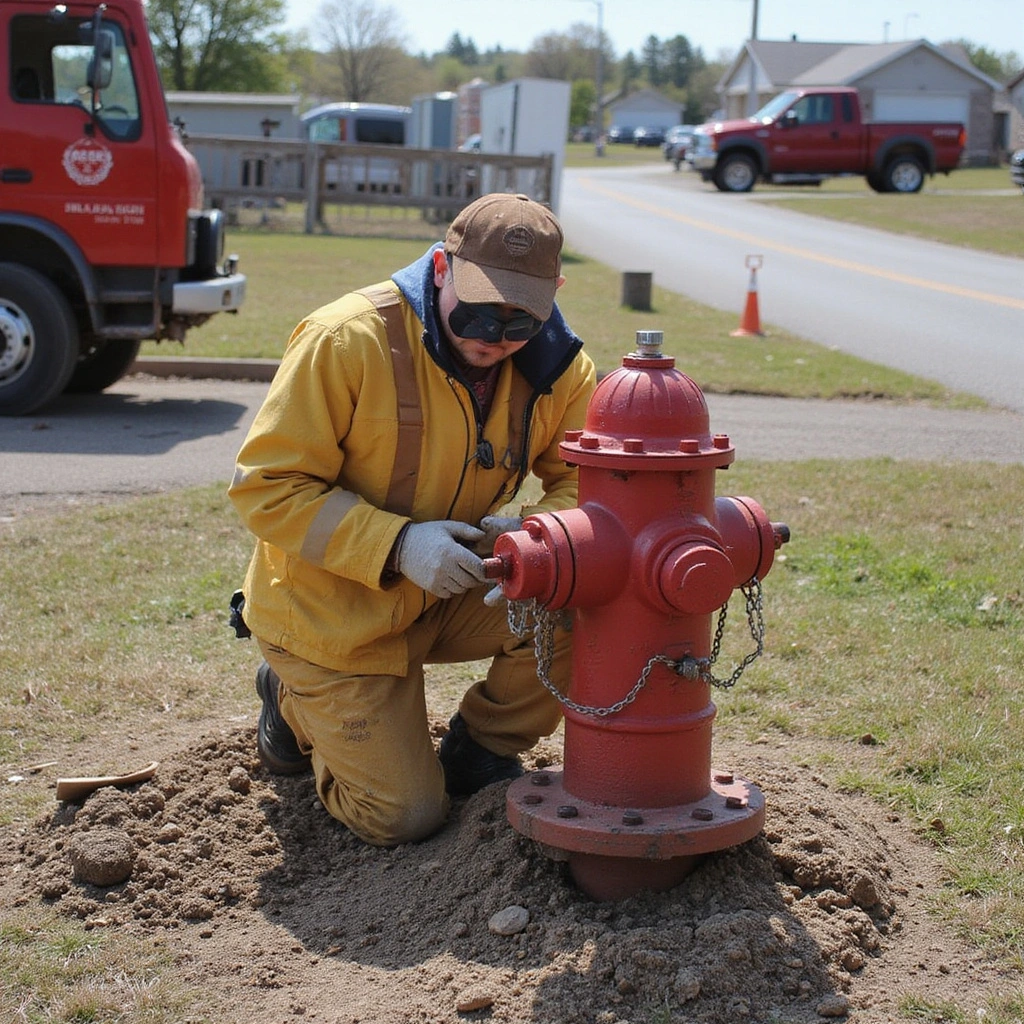
Sprinklermatic follows a thorough process to keep hydrants in optimal condition. Our technicians inspect, service, and test key components to ensure proper operation.
Inspection and Testing
We check valves, caps, and connections for leaks, corrosion, or damage, ensuring each hydrant functions correctly.
Lubrication and Flushing
We lubricate moving parts and flush hydrants to remove debris that can restrict water flow.
Compliance Reporting
You receive clear documentation to support inspections, audits, and regulatory requirements.
Who Needs Fire Hydrant Maintenance
This service is essential for commercial and industrial properties, including healthcare, education, retail, warehouses, and multi tenant facilities.
Why Choose Sprinklermatic
Sprinklermatic delivers reliable, code compliant maintenance with minimal disruption. Our team provides clear communication, efficient service, and expert recommendations to keep your system performing at its best.
24/7 Emergency Service:
Frequently Asked Questions
How often should hydrants be maintained
Most properties require annual maintenance based on local codes.
What does maintenance include
Inspection, lubrication, flushing, and operational checks.
Why is flushing important
It removes debris that can block water flow.
Can maintenance prevent failures
Yes, it helps identify issues early and reduces risk.
Is maintenance required for compliance
Yes, most jurisdictions and insurers require regular maintenance.
nfpa tools hydrant water pressure tools pressure valves wear tools pressure tools valves hydrants fire hydrants fire hydrant leaks valves fire hydrant fire hydrant tools inspection frequency fire hydrant fire hydrant nfpa preventative maintenance valves fire hydrant corrosion inspection inspection pressure gauges hydrants pressure valve leaks tools tools inspection tools valves tools hydrants tools flow meters nfpa nozzle tools valves leaks fire hydrant compliance pressure fire hydrant maintenance nfpa nfpa freezing fire hydrant fire hydrant maintenance services visibility nfpa inspection pressure valve fire hydrants inspection flow meters fire hydrant valve fire hydrant maintenance valves fire hydrant maintenance and repair fire hydrants valve compliance fire hydrants valves valves hydrants wear hydrants leaks barrel hydrants nozzle tools tools fire hydrant hydrants valve leaks fire hydrants fire hydrants hydrants tools checklist valves frequency nfpa water pressure valves fire hydrant valve tools frequency drainage pressure tools lubricants hydrants pressure pressure fire hydrants fire hydrants frequency compliance pressure hydrant wear barrel nfpa pressure preventive maintenance barrel pressure debris fire hydrant pressure fire hydrant pressure frequency drainage drainage valves valves valves maintenance and repair valves inspection checklist fire hydrants freezing leaks checklist tools rust pressure valve flow meters fire hydrants inspection tools wear pressure hydrants debris fire hydrant valve hydrant hydrants barrel nozzle lubricants nfpa fire hydrant barrel valves preventative maintenance inspections fire hydrant flow meters compliance valve barrel inspections inspection fire hydrants valve inspections fire hydrant compliance rust inspections valves valves tools visibility tools pressure tools fire hydrants hydrant barrel valves inventory visibility drainage visibility flow meters tools inspection valves drainage hydrants valves tools nfpa corrosion tools barrel tools valves nfpa valve valves nozzle water pressure valves pressure gauges checklist drainage valve nfpa frequency fire hydrant maintenance isolation valve tools drainage fire hydrant tools tools pressure checklist leaks pressure inspections fire hydrants tools valves fire hydrant flow meters tools leaks tools hydrants valves hydrant maintenance and repair maintenance and repair nfpa hydrant
Fire Hydrant Maintenance & Testing Services for Commercial Properties
When a fire starts in your building, you have seconds, not minutes. In that moment, your fire hydrants either work in good working order, or they fail. Fire hydrant maintenance is the quiet safety net that keeps that from happening. A neglected fire hydrant, hidden by vegetation or rusted in place, can cost far more than any maintenance program ever will.
Our fire hydrant maintenance service focuses on readiness, reliability, and compliance with current NFPA and fire code standards. Technicians perform visual inspection, leak detection, lubrication of moving parts, nozzle and cap checks, and full hydrant testing under pressure. Flow tests measure water pressure and flow rate, confirming your water supply can support firefighting operations when emergency services arrive. Every visit includes hydrant flushing to clear sediment and debris, checking valves and gaskets for wear and tear, and verifying no obstructions block hydrant access.
You receive clear records after each inspection and test: pressures, conditions, repairs completed, and any hydrant repairs or replacements recommended. Those maintenance checklists help with insurance, inspections, and internal safety audits, so you can show a documented hydrant maintenance program is in place.
If you manage one commercial property or an entire portfolio, scheduled hydrant care reduces surprise failures, unplanned shutdowns, and code violations. Hydrant maintenance procedures can be annual or biannual, depending on risk, system design, and usage.
If you want fire hydrants that work every time, not just on paper, schedule professional fire hydrant maintenance and testing today, and request a quote for your property.
What Is Fire Hydrant Maintenance and Why Does It Matter for Compliance?
Fire Hydrant Maintenance is the routine inspection, testing, and repair of your privately owned fire hydrants to keep them in good working order and compliant with fire code and NFPA standards. When a fire department connects to your hydrant, they rely on predictable water pressure, clear outlets, and valves that operate smoothly on the first turn.
Without a structured hydrant maintenance program, corrosion, rust, sediment, and wear and tear slowly reduce flow and pressure. Valves seize, nozzle caps freeze in winter, gaskets crack, and leaks go unnoticed. In an emergency, that can mean delayed firefighting operations, deeper property damage, and exposure to insurance or legal issues for property owners.
Regulators expect documented hydrant inspections and maintenance procedures: visual inspection, hydrant flushing, flow testing, leak detection, lubrication of moving parts, and timely repairs or replacement of worn components. Detailed records, test results, and an up to date hydrant maintenance checklist show that your fire protection systems are in working condition and that you take safety regulations seriously.
Sprinklermatic provides licensed, insured hydrant maintenance services that include inspections and maintenance, testing and maintenance, and fire hydrant repair when needed. Many facility managers delay this work until something fails. By then, repair costs and downtime are higher. Schedule a Fire Hydrant Maintenance review today, and get a clear, written plan to keep every hydrant on your property compliant, reliable, and ready for the next inspection or emergency.
How fire hydrants work within your fire protection systems
Your fire hydrants are not standalone posts on the curb. They are connected directly to the water main and work in tandem with fire suppression systems, sprinkler systems, fire hose reels, and other safety equipment across your property. During a fire, the fire department uses hydrants to supply high water flow and pressure to pumpers that feed hoses, standpipes, and sometimes your building’s fire protection systems.
If hydrant components fail, the entire chain of fire suppression is affected. A stuck main valve, blocked outlet nozzle, or leaking barrel can drop flow rate below design needs. Debris, sediment, or internal corrosion restricts water flow. Frozen or poorly lubricated operating nuts and stems slow down operations when seconds matter, especially in freezing temperatures or low visibility conditions.
Regular inspections and maintenance keep hydrants accessible, visible, and functional. That includes checking valves and caps, lubricating moving parts, inspecting gaskets and seats, checking for leaks, repainting with reflective paint, and performing annual inspections and flow tests under an organized hydrant maintenance program. When hydrant upkeep follows proven hydrant maintenance guidelines, your entire fire protection system gains reliability and compliance at the same time.
If you are responsible for a campus, industrial site, or multi tenant facility, small issues at one hydrant can expose the whole property. Request a quote today for professional hydrant maintenance service, and let Sprinklermatic align your hydrants with NFPA, AWWA, and fire code requirements while keeping your operations running safely.
Fire Hydrant Maintenance Codes, NFPA Standards, and Inspection Frequency
How often should fire hydrants be inspected, tested, and serviced?
If you manage a commercial or multi tenant property, NFPA standards and local fire codes dictate how often your fire hydrants need attention, not preference. For most sites, NFPA 25 calls for annual inspections, annual flow testing, and routine hydrant maintenance to keep every hydrant in good working order and ready for an emergency. Many risk managers now push for biannual visual inspections because leaks, vandalism, and corrosion do not wait for a calendar reminder.
A proper hydrant maintenance program goes beyond a quick glance. Technicians perform a visual inspection for damage, rust, and obstructions around the hydrant, check caps and nozzles, operate the valves, and conduct flow tests to verify water pressure and flow rate. During routine hydrant care, they lubricate moving parts, exercise the operating nut, check for leaks around gaskets and seals, flush the hydrant to clear sediment and debris, and document test results for compliance and insurance.
Neglected fire hydrants fail under stress. Frozen barrels in winter, stuck valves, leaking outlets, or blocked access can delay firefighting operations when seconds matter. Regular inspections and maintenance services reduce liability, keep you in compliance with NFPA and fire code, and protect your fire protection systems investment.
If you are unsure when your hydrants were last tested or serviced, that is already a red flag. Request a quote today for a code compliant fire hydrant maintenance service, and put a clear inspection schedule, documented records, and reliable hydrant performance in place before the next emergency exposes a problem.
Sprinklermatic’s Fire Hydrant Maintenance, Inspection, and Flow Testing Services
A fire hydrant that fails during an emergency can shut down firefighting operations in seconds. Sprinklermatic’s fire hydrant maintenance program is built to keep your privately owned fire hydrants in good working order, aligned with NFPA, AWWA, and fire code requirements. Our licensed technicians handle inspection, hydrant testing, repairs, and documentation, so you are not guessing about readiness or compliance.
During each visit, we conduct a detailed visual inspection, perform flow testing to confirm accurate flow and pressure, and check for leaks, corrosion, vandalism, and mechanical wear and tear. If we find issues, our team can perform fire hydrant repair on the spot in many cases, replacing gaskets, caps, or nozzles, lubricating moving parts, tightening connections, and correcting drainage problems.
You get clear test results, photographs, and maintenance records that support insurance, AHJ, and ISO requirements. Many property owners pair hydrant services with other fire protection systems inspections to reduce disruption and cost. If you manage multiple properties, we can set a hydrant maintenance schedule that keeps all devices in service and documented without last minute panic.
Do not wait until a fire department pulls a cap and finds no water. Schedule a hydrant inspection and flow test with Sprinklermatic today, and protect your site, tenants, and reputation.
What’s included in our hydrant inspection, testing, and maintenance checklist?
Every visit follows a strict hydrant maintenance checklist so no critical components get missed. The appointment starts with a visual inspection of the hydrant, surrounding area, and isolation valve. We confirm accessibility, visibility, and proper reflective paint or coatings, and document the hydrant’s condition for your inspection program records.
Next, technicians conduct hydrant testing and flow tests using calibrated pressure gauges and flow meters. We measure static and residual water pressure, flow rate, and verify water supply performance under demand. During these tests, we check for visible leaks, blocked outlets, sediment, or discolored water that may signal internal corrosion or debris inside the barrel or water line.
After testing, we focus on hydrant upkeep: cleaning threads and outlets, lubricating operating nuts and moving parts with approved lubricants, tightening caps, checking drains, and verifying the hydrant seats and seals properly when we close the hydrant. Any minor hydrant repairs are documented, along with recommendations for replacement or more extensive work if needed.
If you want a clear, repeatable hydrant maintenance program instead of last minute fire code worries, contact Sprinklermatic for a hydrant inspection and maintenance service quote today.
Key components we inspect: valves, nozzles, caps, coatings, and clearances
Small issues on a hydrant often start at the components: valves, nozzles, caps, and protective coatings. During regular inspections and maintenance, Sprinklermatic technicians check the main valve and hydrant valve seat for leaks, smooth operation, and wear. We operate the stem and operating nut fully open and closed to catch sticking, frozen, or damaged parts before they cause a failure.
Nozzles and outlet nozzle threads get cleaned, inspected for damage, and checked for obstructions or blockages. We remove the nozzle caps, examine gaskets, springs, and seals, then lubricate and tighten pumper caps and nozzle caps so they stay sealed, yet operable for the fire department. Any leaking or damaged gaskets are replaced to keep the device in working condition.
Coatings and reflective paint receive a close look for rust, corrosion, peeling, or electrolysis damage. We recommend repainting or new corrosion coatings when needed to protect the barrel and improve visibility in low visibility conditions. Around the hydrant, we confirm proper clearances, with no vegetation, bollards, parked vehicles, or landscape features blocking access or hose connections.
If you want confidence that every valve, cap, and nozzle on your fire hydrants will perform during an emergency, reach out to Sprinklermatic today to schedule professional fire hydrant maintenance services.
Hydrant Maintenance Procedures: How We Test, Flush, and Troubleshoot Common Issues
Step by step fire hydrant maintenance procedures our technicians follow
When our technicians arrive, they begin with a visual inspection and accessibility check. They confirm the fire hydrant is visible, painted, and free from vegetation, bollards, snow, or parked vehicles blocking access. They check caps, nozzles, operating nut, and valves for rust, corrosion, vandalism, and visible leaks, documenting conditions for your hydrant maintenance records.
Next comes hydrant flushing and testing. Using the correct hydrant wrenches and personal protective equipment, they slowly open and exercise the hydrant valve to flush the hydrant and clear sediment and debris. Flow tests and pressure gauges are used to check water pressure, flow rate, and proper drainage. Any leak, frozen barrel, slow drainage, or no water issue is flagged immediately for fire hydrant repair.
They then move to detailed hydrant care. Caps and operating components are lubricated with approved lubricants to keep moving parts smooth and sealed. Gaskets, stems, and nozzles are checked for wear and tear, replaced if needed, and reassembled to NFPA and fire code standards. Each inspection is logged into your hydrant maintenance program with test results, repairs, and recommendations for frequency of future inspections.
Common issues such as leaking outlets, stuck valves, corrosion, or flow restrictions are troubleshooted on the spot so your fire hydrants stay in good working order and ready for emergency services. If you want a licensed, insured team to set up a preventative hydrant maintenance service with clear pricing and no hidden fees, contact us today to request a quote and schedule your next inspection.
Designing a Preventive Hydrant Maintenance Program for Multi Site Facilities
If you are responsible for multiple properties, a preventive fire hydrant maintenance program is your safety net. One missed inspection at a single hydrant can slow firefighting operations across an entire campus. The goal is simple: every privately owned fire hydrant stays in good working order, with documented hydrant testing and clear accountability.
Start by standardizing hydrant maintenance procedures across all locations. Use one maintenance checklist and schedule for inspections, flushing, lubrication, repairs, and fire hydrant testing. Build your program around NFPA and AWWA standards so your hydrant upkeep supports both fire protection systems and insurance requirements.
Next, map every hydrant into an inventory system, often with GPS, and assign ownership: who inspects, who approves repairs, and who signs off on compliance. Include clear response times for leaks, corrosion, vandalism, low pressure, or blocked access. Regular inspections help catch wear and tear early, before a fire hydrant repair turns into a fire hydrant replacement.
Many multi site facility managers rely on a licensed hydrant maintenance service to handle testing and maintenance, reporting, and emergency repairs on one standardized contract. That approach cuts downtime, simplifies budgeting, and reduces risk.
If you want a preventive hydrant maintenance program that actually works when crews arrive in an emergency, request a quote today and speak with a technician about your multi site portfolio.
Best practices to keep hydrants in optimal working condition year round
Year round hydrant care comes down to three things: regular inspections, documented hydrant testing, and fast repairs. A neglected fire hydrant can leak, seize, or freeze without warning, leaving your fire protection systems exposed when you need them most.
Schedule routine hydrant inspections at least annually, with more frequent checks for high risk or high traffic areas. During each visit, technicians should perform a visual inspection, check for leaks, verify caps and nozzle caps, exercise the operating nut and valves, and confirm there are no obstructions or vegetation blocking access. Hydrant flushing and flow tests help remove sediment and verify accurate flow and pressure.
Follow consistent hydrant maintenance guidelines for lubrication, tightening caps, cleaning threads, repainting for visibility, and documenting any needed repairs. Proper maintenance and repair keep moving parts lubricated, seals intact, and internal components free from rust and debris. That means smoother operation, better water flow, and longer hydrant life.
A proactive hydrant maintenance program reduces emergencies, keeps you in compliance with fire code, and gives fire departments confidence that every fire hydrant on your property is ready. To put a clear, year round schedule in place, contact us today for professional hydrant services and a tailored maintenance program.
Winterization, corrosion protection, and visibility best practices for hydrants
Cold weather, road salt, and low visibility conditions are hard on fire hydrants. Without preventive maintenance, barrels can freeze, valves can seize, and corrosion can weaken critical components. For multi site facilities, one frozen or hidden hydrant can delay emergency services when seconds matter.
Winterization starts with draining and testing dry barrel hydrants before freezing temperatures arrive. Technicians should check drainage, operate the main valve, and confirm no standing water remains that could freeze. Gaskets, caps, and seals must be lubricated and replaced where needed to prevent leaks and ice buildup. For wet barrel hydrants in harsh winters, insulation, covers, or heaters may be required.
Corrosion protection focuses on coatings and fittings. Inspect paint for damage, rust, and bare metal, then repaint with corrosion resistant and reflective paint. This helps both longevity and visibility. Where electrolysis or aggressive soils are present, additional corrosion coatings or devices may be needed.
Visibility is more than bright paint. Maintain clear clearance around the hydrant by removing vegetation, snow, and debris. Install bollards where traffic poses a risk, and use reflective markers or accessories to make hydrants easy to locate in low visibility conditions.
If you want every hydrant on your properties protected from winter, corrosion, and poor visibility, schedule a winterization and inspection program with our hydrant maintenance services today.
Hydrant maintenance records, inventory tracking, and compliance documentation
For a single site, a simple logbook might work. For multi site facilities, you need disciplined records and inventory tracking to manage fire hydrant maintenance at scale and to prove compliance during audits or after an incident.
Start by assigning every fire hydrant a unique ID tied to its GPS location, type, dry barrel or wet barrel, and critical components, including valves, caps, nozzle sizes, and isolation valve location. This hydrant inventory should live in a centralized system that your facilities team and your hydrant maintenance service can update in real time.
For each inspection and test, log date, technician, test results, flow and pressure, any leaks or visible defects, repairs performed, parts replaced, and next scheduled visit. These records create a traceable history that shows each hydrant has been serviced, tested, and kept in good working order. They also help spot patterns, such as recurring corrosion in certain areas, so you can plan proactive replacements instead of emergency repairs.
Compliance documentation should align with NFPA, AWWA, and local fire code requirements. That includes annual inspections, flow testing schedules, reporting formats, and corrective actions for deficiencies. Detailed records reduce liability, make fire department inspections smoother, and support insurance reviews.
If you want help building a reliable inspection program, complete with digital records and compliance ready reports across all your sites, contact us today to set up a hydrant maintenance program tailored to your portfolio.
Why Commercial Property Owners Trust Sprinklermatic for Fire Hydrant Maintenance Service
You are responsible for people’s safety, business continuity, and insurance compliance. Sprinklermatic treats fire hydrant maintenance with that same level of seriousness.
Licensed technicians perform detailed inspections and testing of fire hydrants against NFPA, AWWA, and fire code standards. Every hydrant is checked for leaks, corrosion, visible rust, damaged caps, valve problems, pressure issues, and blockages from debris or vegetation around the hydrant. We perform hydrant flushing, flow tests, and operation checks so each device is in good working order when emergency services need water.
You get clear hydrant maintenance procedures, photo documentation, and maintenance records that satisfy inspectors, risk managers, and insurance carriers. When hydrant repairs or replacement are needed, Sprinklermatic handles the work, from worn gaskets and stems to frozen or leaking barrels, with no surprise fees.
Many property owners call us after a failed inspection, a low water pressure notice, or a neglected fire hydrant test. They stay because our hydrant maintenance service is proactive, on schedule, and reduces emergency repair costs over time.
If you never want to worry about whether your fire hydrants will work during a fire, contact Sprinklermatic today to schedule a fire hydrant maintenance service visit.
Get a tailored fire hydrant maintenance program and schedule a service visit
A one size fits all hydrant maintenance program leaves gaps. Your property has unique water supply conditions, hydrant types, and risk profile, so Sprinklermatic builds a tailored hydrant maintenance schedule around your real world needs.
We start with a detailed inspection program: visual inspection of all hydrant components, flow and pressure tests, valve operation checks, hydrant flushing to remove sediment, lubrication of moving parts and operating nuts, and verification of drainage so barrels do not freeze. Each inspection includes checks for vandalism, damaged nozzle caps, worn seals, and obstructions blocking access.
From there, we set your maintenance frequency, annual inspections, biannual flow testing, or more frequent checks for high risk or high usage sites. You receive clear hydrant maintenance guidelines, test results, and any recommended fire hydrant repair or replacement, so decisions are simple and fast.
Sprinklermatic’s technicians arrive with the right tools, hydrant wrenches, lubricants, and replacement parts to handle most corrective actions during the same visit, saving you repeat trips and downtime.
If you want predictable costs, code compliance, and hydrants that operate smoothly under fire conditions, request a tailored hydrant maintenance program from Sprinklermatic, and book your next service visit today.
Call now for a fire hydrant maintenance consultation or request an instant quote
Small issues on a fire hydrant, minor leaks, stiff valves, and worn caps, can turn into major failures during a fire. Waiting until the next inspection or a fire department complaint risks fines, shutdowns, or worse, a hydrant that produces no water when crews connect.
Sprinklermatic makes it simple to act today. A short consultation gives you clarity on current hydrant maintenance procedures, code expectations, and how often you should schedule testing and maintenance for your property type. You get straight answers on cost, scope, and timing, with transparent pricing and no hidden fees.
Need numbers fast for a budget, proposal, or compliance deadline? Request an instant quote for fire hydrant maintenance services, including inspections, flow testing, hydrant flushing, lubrication, and basic repairs. Many owners schedule service during that same call to avoid inspection failures or insurance issues.
Do not wait for a malfunction or violation notice. Call Sprinklermatic now for a fire hydrant maintenance consultation, or request your instant quote and lock in a service date while slots are still available.