 Skip to content

Standpipe Inspection for Commercial Fire Protection Systems
24/7 Emergency Service:
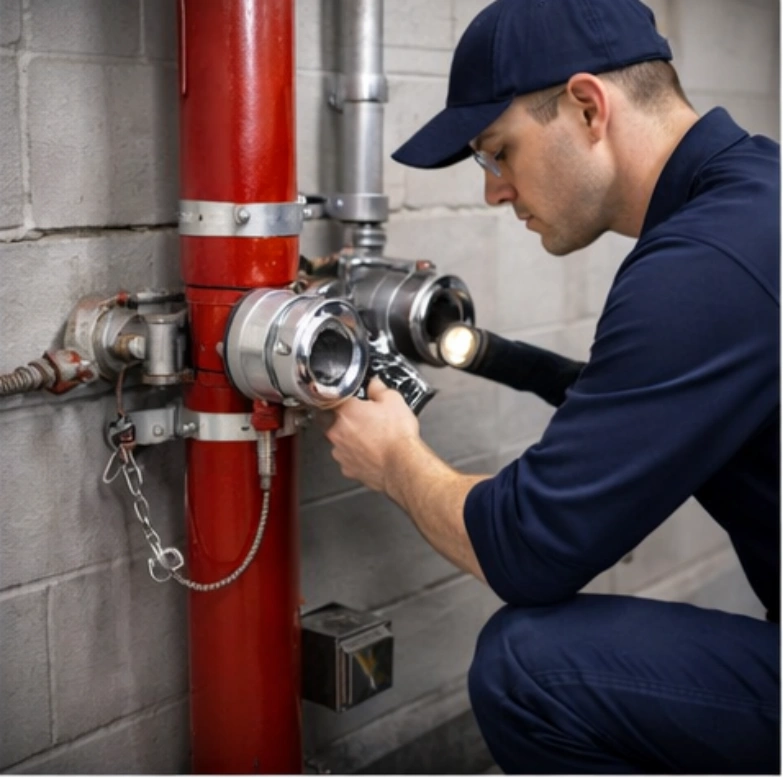
Standpipe Inspection ensures that standpipe systems are ready to provide water to firefighters during a fire emergency. Sprinklermatic provides professional Standpipe Inspection services for commercial properties, helping buildings maintain reliable fire protection and comply with fire safety regulations.
For commercial property owners, facility managers, contractors, and property management firms, regular inspection of standpipe systems is essential for life safety. Proper inspections help confirm that valves, hose connections, and piping are in good condition and ready for use when needed.
Why Standpipe Inspection Is Important
Standpipe systems provide firefighters with direct access to water throughout a building. These systems are commonly installed in multi story buildings and large facilities where firefighters need quick access to water on upper floors or distant areas.
If a standpipe system is damaged, obstructed, or unable to maintain proper pressure, firefighting operations can be delayed. Routine Standpipe Inspection helps identify issues such as corrosion, leaks, blocked valves, or damaged components before an emergency occurs.

Our Standpipe Inspection Process
Sprinklermatic follows a structured inspection process designed to verify system performance and compliance.

Visual System Inspection

Pressure and Flow Testing

Documentation and Compliance
After inspection, we provide documentation and service records required for fire safety compliance and regulatory inspections.
Facilities We Serve
Sprinklermatic provides Standpipe Inspection services for office buildings, healthcare facilities, hotels, schools, retail centers, warehouses, and multi story commercial properties.

Frequently Asked Questions
What is a standpipe inspection?
A standpipe inspection evaluates the condition and performance of standpipe systems used by firefighters during emergencies.
How often should standpipe systems be inspected?
Standpipe systems typically require regular inspections and periodic testing according to fire safety codes.
What components are checked during an inspection?
Technicians inspect valves, hose connections, piping, pressure gauges, and standpipe cabinets.
Why is standpipe inspection necessary?
Inspections help ensure that firefighters have reliable water access throughout the building during a fire.
Can standpipe systems fail inspection?
Yes. Systems may fail if valves are damaged, pressure is inadequate, or components are obstructed or corroded.
Schedule Fire Protection Installation & Engineering Services
Protect your commercial property with professionally engineered and installed fire protection systems from Sprinklermatic.
Call 1-800-382-6688 today to schedule a consultation for fire sprinkler systems, fire alarms, life safety systems, inspections, retrofits, and commercial fire protection services throughout Florida.

24/7 Emergency Service:
checklist air pressure nfpa hose fire pump air pressure hydrostatic testing fire pump hose hose backflow preventer hose air pressure hose hydrostatic test nfpa hose building standpipe inspection backflow preventer piping control valve building standpipe inspection checklist hose piping piping nfpa hydrostatic test building standpipe inspection piping piping fire pump piping hydrostatic test checklist hose control valve dry standpipe hoses hose hydrostatic testing air pressure hydrostatic test dry standpipes hydrostatic testing dry standpipe fire pump hose fire pump dry standpipe hose backflow preventer piping hose hoses piping hose backflow preventer hoses backflow preventer fire pump hoses hydrostatic testing check valve hose piping building standpipe inspection calibration control valves control valves backflow preventer building standpipe inspection preventive maintenance nfpa hose hose hose hydrostatic test backflow preventer dry standpipe fire pumps hoses building standpipe inspection backflow preventer calibration calibration building standpipe inspection nfpa building standpipe inspection hose building standpipe inspection building standpipe inspection fire pump nfpa hydrostatic test hoses air pressure check valve hoses air pressure hose building standpipe inspection building standpipe inspection calibration building standpipe inspection dry standpipes preventive maintenance check valve hydrostatic test air pressure hose hose hose fire pumps piping fire pump piping hose preventive maintenance check valve hose nfpa calibration hose hydrostatic test dry standpipe hose hose hose hydrostatic test piping calibration hose piping preventive maintenance piping fire pumps nfpa hose hose fire pump hose piping hose nfpa fire pump hydrostatic test backflow preventer
Standpipe Inspection Guide
You are responsible for lives. A missed Standpipe Inspection risks code compliance and life safety. Our safety standpipe inspection follows NFPA standards and authority having jurisdiction requirements. We verify control valves and pressure gauges maintained, hose connections and caps clean, risers free of obstructions, and no corrosion or leaks. Annual inspection and testing include main drain test, flow test confirming standpipe system demand, and checks at pressures in psi. Every five years we perform hydrostatic tests and internal inspection of standpipes, couplings, gaskets, and check valves. Get building standpipe inspection, fire standpipe inspection, emergency standpipe inspection, and standpipe compliance inspection today.
What is Standpipe Inspection?
Standpipe Inspection is the inspection and testing of standpipe systems that feed hose connections in stairwells and hose stations. A professional standpipe inspection reviews risers, hose connections, control valves, pressure gauges, and FDCs for leaks, obstructions, corrosion, and incorrect pressures. Per NFPA 14 and the authority having jurisdiction AHJ, standpipe inspections occur monthly, quarterly, annually, and every five years. Sprinklermatic provides building standpipe inspection, fire standpipe inspection, emergency standpipe inspection, safety standpipe inspection, standpipe compliance inspection, and standpipe inspections that keep your life safety system in code compliance and aligned with national fire protection standards.
Definition of Standpipe Inspection and System Components
A Standpipe Inspection confirms your standpipe systems deliver required flow and pressure to meet total standpipe system demand. Inspectors apply NFPA standards and code requirements set by the authority having jurisdiction. During inspection of standpipe, inspections for standpipes, and inspection for standpipes, we verify valve status, gauges maintained, risers, main drain, drain valves, fire pumps, backflow preventer, and FDC. We measure static and residual pressures in psi, perform main drain test and flow tests, and confirm no leaks or obstruction. Where required, acceptance testing and annual testing include hydrostatic tests at 200 psi. Every five years, a 5 year hydrostatic testing sequence may be permitted by the AHJ, and test results are reported for compliance.
Differentiating Dry Standpipe vs Wet Standpipe Systems
Wet standpipe systems keep water in the system piping at all times as part of wet pipe systems. Dry standpipe systems and automatic dry standpipe systems contain air pressure or remain empty until supplied by a fire pump, water supply, or fire department connection. Manual standpipe systems and automatic standpipe systems are inspected so that valves shall be in the correct position, gauges are accurate, and reducing valves and pressure regulating devices function. Inspection of standpipes checks check valves, dry pipe valve operation, relief valves, and obstructions. We validate that the zone being tested can be hydrostatically tested to the required pressures by NFPA, that pressure relief is available where maximum pressure could occur, and that the flow and pressure meet required flow such as 250 gpm and 500 gpm as applicable to class iii systems.
Key Components: Hoses, Valves, Piping, and Backflow Preventer
Hoses and hose connections in stairwells must be accessible with correct hose threads, hose nozzles, caps and chain, gaskets, and wall plates. Inspectors evaluate control valve position including post indicator valve, confirm pressure gauges and calibration, and use a pitot gauge during testing flow. We verify check valve and riser check operation, pressure reducing valves, valve outlet labeling, remote hose valve and remote outlet condition, and the integrity of couplings, fittings, and adapters and reducers. The backflow preventer protects water quality and code compliance. Where maximum pressure could exceed 150 psi or 200 psi, pressure shall be controlled by regulating devices and relief. Sprinklermatic handles inspection and testing, testing and maintenance, AHJ reporting, scheduling, and documentation. Request a quote today.
Benefits of Standpipe Inspection for Fire Safety
Standpipe Inspection protects people, property, and in every emergency. When crews connect a hose, you need piping, valves, and pressure ready to deliver without delays. Building standpipe inspection and inspections for standpipes verify water supply, flow, residual pressures, hose connections, and FDCs will perform when it matters. Scheduled standpipe inspections reveal leaks, corrosion, obstructions, gaskets, and deterioration before they become failures. A licensed team for fire standpipe inspection, safety standpipe inspection, and emergency standpipe inspection completes inspection of standpipe components and documents results you can share with the authority having jurisdiction. From risers and control valves to gauges, drains, and the fire department connection, our inspection of standpipes aligns with NFPA and code.
Ensuring Compliance with NFPA Standards
NFPA 25 governs inspection, testing, and maintenance for standpipe systems, and your records must prove compliance. A standpipe compliance inspection ties your inspection checklist to code requirements so you can defend audits and reviews. Our inspectors verify control valves, pressure gauges maintained, hose valves, hose connection threads, FDC and backflow preventer, drains, riser piping, and water supply. We perform main drain test, flow test, and valve status test, and record psi and gpm that meet AHJ expectations. Where maximum pressure exists, pressure reducing valves and regulating devices are confirmed to deliver required flow at the remote hose valve and remote standpipe connection. Acceptance testing, annual testing, and year hydrostatic testing are coordinated, and where permitted we perform hydrostatic tests at 200 psi or 150 psi for 2 hours.
NFPA 25 and Quarterly Inspection Requirements
NFPA 25 sets monthly, quarterly, annual, and every five years tasks for inspection of standpipe systems. Quarterly Standpipe Inspection catches issues early and supports preventive maintenance. Inspectors walk each riser, verify valve positions and gauges, confirm control valves are open, and ensure standpipe signs and FDC signs are visible. They look for leaks, corrosion, damaged couplings, missing caps and chain, and any obstruction that affects pressure and flow. We verify escutcheons, access doors, hose stations, and drain valves operate. Findings are summarized for the AHJ, helping you prepare for the 5 year hydrostatic test and full flow test. When deficiencies appear, we schedule testing and maintenance, secure permits, and provide code compliance repairs that keep your fire protection system mission ready.
Preventive Maintenance Checklist: Control Valves, Check Valves, Relief Valves
Focus preventive maintenance on control valves, check valves, and relief valves that protect standpipe systems. Perform a valve status test and verify control valve position. Inspect check valve operation and check valves for backflow, leaks, and corrosion. Confirm pressure reducing valves and pressure relief valves deliver required flow and residual pressure at hose valves and nozzles, including class iii hose connection points. Verify drain test points and pressure gauges, and document flow and pressure are available. Include fire pumps, pump testing, and backflow preventer in the plan so that total system demand is met. This disciplined approach to testing and maintenance reduces emergencies, streamlines standpipe testing, and proves compliance to the AHJ.
Standpipe Inspection Process: Hydrostatic Test to Valve Check
Standpipe Inspection proves your fire protection system can protect people, or reveals hidden weaknesses. When Sprinklermatic performs a building standpipe inspection, we trace the path water will take in an emergency, from the water supply and hydrostatic pressure, through risers, hose connections, and FDC, to every valve and fire pump. During annual safety standpipe inspection, our licensed life safety engineers verify compliance with NFPA 14, local codes, and the authority having jurisdiction. We document tests, pressures, and acceptance testing so your fire protection systems meet code requirements and standards. Request an emergency standpipe inspection that restores confidence, protects life safety, and drives code compliance with efficient maintenance and scheduling.
Performing Hydrostatic Testing and Pressure Checks
Hydrostatic testing and pressure checks support monthly and quarterly inspections for standpipes. We use water, not air pressure, so leaks and weak points appear before a fire. Sprinklermatic technicians use calibrated pressure gauges maintained for accuracy, following NFPA and AHJ testing requirements for every five years verification including 5 year hydrostatic testing. We confirm static and residual pressures at the remote hose valve and hose connections, and that standpipe system demand is met by the water supply, fire pumps, and backflow preventer. Our inspection and testing also checks FDCs, the fire department connection FDC, couplings, gaskets, and hose valves for obstructions, corrosion, or deterioration so no leaks are present.
Conducting a Hydrostatic Test: Pressure Limits and Procedures
A proper hydrostatic test follows code requirements so your inspection of standpipe meets NFPA and AHJ scrutiny. Inspectors isolate the zone being tested, ensure the system is drained as needed, and connect hydrostatic test pumps and gauges. For standpipe systems, pressure shall be 200 psi or 50 psi above normal, and be hydrostatically held with no visible leaks. We monitor gauges, control valves, fittings, and gaskets, as these tests verify system piping integrity. Results confirm total system demand capability, and we document outcomes for acceptance testing and the inspection checklist. When that pressure stresses components, relief valves and reducing valves are verified.
Inspecting Control Valves, Relief Valves, and Fire Pump Calibration
During every fire standpipe inspection, we perform a valve status test on control valves, check valves, and the post indicator valve. Valves shall be open, supervised, and tagged. We test relief valves and pressure reducing valves to protect hose valves, nozzles, and the valve outlet at the remote outlet. Main drain test, drain test, and fire pump test with calibration confirm flow and pressure. The standpipe flow test shall verify 100 gpm, 250 gpm, and 500 gpm required flow with residual pressure where maximum pressure and pressure limits by NFPA apply. We record test results annually and every five years, then provide findings and maintenance to keep your life safety system compliant. Ready for a standpipe compliance inspection. Ask Sprinklermatic for standpipe inspections, inspection of standpipes, or an inspection of standpipe tailored to your site.
How to Choose a Fire Standpipe Inspection Professional
You are not just buying a Standpipe Inspection, you are protecting people, property, and liability. Choose a partner for building standpipe inspection with proven NFPA 14 expertise, complex code interpretations, and complete authority having jurisdiction documentation. Verify licensing, insurance, and hands on experience with automatic standpipe systems, manual standpipe systems, wet standpipes, and dry standpipes. Expect acceptance testing and inspection and testing that follow code requirements monthly, quarterly, and annually. Demand a clear inspection checklist, transparent test results, and code ready reporting for your AHJ. The right team keeps your life safety system compliant and ready, not just inspected.
Proven professionals perform annual standpipe inspections plus a 5 year and every five years hydrostatic test, main drain test and drain test, and a full flow test with static and residual readings in psi. The flow test shall verify required flow and standpipe system demand at the remote hose valve or remote standpipe connection, typically 100 gpm or 250 gpm for Class III and II standpipe systems, with total system demand up to 500 gpm where maximum pressure and pressure limits apply. Pressures are documented at 50 psi, 150 psi, 200 psi, and 5 psi when required. Systems shall be hydrostatically tested, valves shall be permitted, and pressure shall be regulated to NFPA and National Fire Protection standards by the authority having jurisdiction.
During inspection of standpipe and inspection of standpipes, a life safety engineer evaluates risers and riser, hose connections, hose valves, valve outlet threads, control valves and control valve position, post indicator valve, check valve and riser check valves, pressure reducing valves and regulating devices, pressure gauges maintained with calibration, relief valves and pressure relief, backflow preventer, fire pumps and the fire pump, FDCs and the fire department connection, drains and main drain, gaskets and couplings, escutcheons and wall plates, and all standpipe system components. We confirm no leaks are present, identify corrosion, deterioration, and obstruction or obstructions, and verify gauges maintained. We document static pressure, flow and pressure, and residual pressure for verification by NFPA, your AHJ, and applicable codes and standards.
Expect prompt, code ready reports. We tailor inspection and testing documentation to your AHJ, including valve status test, zone being tested, acceptance testing notes, hydrostatic tests, year hydrostatic testing summaries, and maintenance or preventive maintenance recommendations. Our reports highlight compliance with NFPA 14, National Fire Protection guidance, and additional requirements in local codes. We outline best practices, testing requirements, and system maintenance so scheduling stays simple and your life safety system stays ready. When deficiencies appear, we provide testing and maintenance that restores code compliance quickly.
Call Now for a Free Estimate
A quick call locks in your inspection for standpipes, confirms pressure, and aligns with NFPA and AHJ requirements. Speak with a technician, not a call center. Get a quote for fire standpipe inspection, emergency standpipe inspection, and standpipe compliance inspection, including flow tests and hydrostatic testing, code ready reports, scheduling, permits, and FDNY coordination.