 Skip to content

Fire Alarm Maintenance Services
24/7 Emergency Service:
Professional Fire Alarm Maintenance is essential to keep your life safety system reliable, compliant, and ready to respond in an emergency. Fire alarm systems are not install and forget systems. They require ongoing servicing to ensure detectors, control panels, power supplies, and notification devices continue to function properly over time.
For commercial property owners, facility managers, healthcare campuses, schools, retail centers, hospitality properties, industrial facilities, and multi tenant buildings, routine maintenance protects occupants, reduces liability, and supports regulatory compliance.
Comprehensive Fire Alarm Maintenance for Commercial Properties
Fire alarm systems are complex networks of interconnected components. Over time, dust accumulation, electrical wear, battery degradation, and environmental conditions can affect performance. A structured Fire Alarm Maintenance program addresses these issues before they become system failures.
Each service helps ensure the system remains responsive and compliant with NFPA 72 and local fire codes.
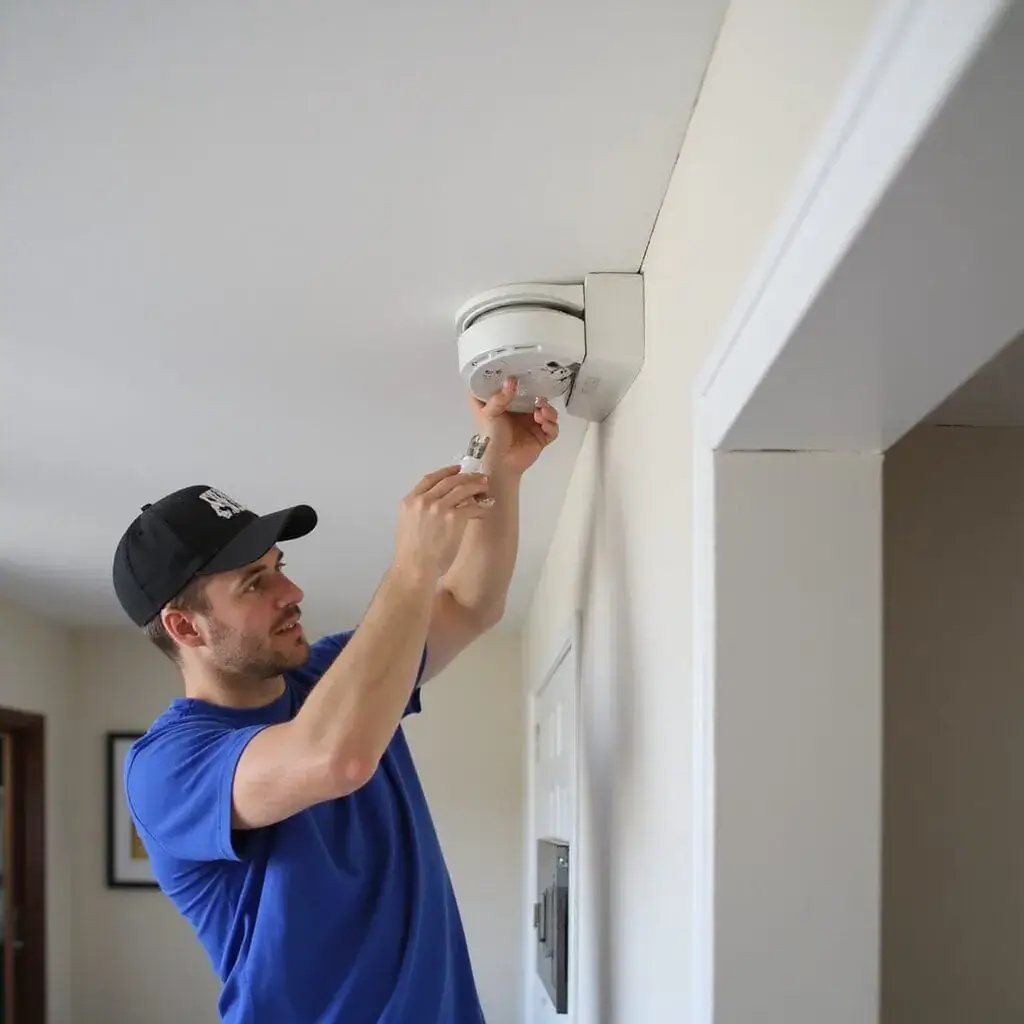
- Cleaning and calibrating smoke detectors
- Inspecting and tightening wiring connections
- Testing and replacing backup batteries
- Updating panel software and programming
- Verifying communication with monitoring services
- Inspecting notification appliances
- Evaluating system sensitivity levels
- Reviewing event logs for irregular activity
Reduce False Alarms and Operational Disruption
Frequent false alarms can disrupt tenants, staff, and customers. They may also result in fines or emergency response charges. Regular maintenance ensures detectors remain properly calibrated and free from contamination that can cause unnecessary activations.
Addressing minor issues early prevents larger and more costly system failures later.
Why Preventive Fire Alarm Maintenance Matters
Even if a system passes inspection, ongoing wear can impact reliability between testing intervals. Preventive Fire Alarm Maintenance helps identify early signs of failure and correct them proactively.

Routine maintenance helps:
- Maintain accurate fire detection
- Reduce nuisance and false alarms
- Extend system lifespan
- Avoid unexpected emergency repairs
- Maintain insurance compliance
- Reduce regulatory risk
Tailored Maintenance for Complex Facilities
Hospitals, schools, hotels, warehouses, and multi tenant properties often operate around the clock. Maintenance must be carefully scheduled and coordinated to minimize disruption while maintaining safety standards.
Experienced technicians perform servicing efficiently and communicate clearly with building management and monitoring providers throughout the process.
Frequently Asked Questions
How often is Fire Alarm Maintenance required?
What is the difference between testing and maintenance?
Can maintenance prevent system failure?
Will maintenance disrupt daily operations?
Are service records necessary?
For dependable Fire Alarm Maintenance tailored to commercial properties, Sprinklermatic provides experienced technicians and detailed service documentation. Contact Sprinklermatic today to keep your fire alarm system operating at peak performance and fully compliant.


alarm system preventive maintenance software fire alarms software alarm system battery software battery alarm system inspection heat detectors fire alarm system power supply software fire alarm system fire alarms fire alarm panels fire alarm system software battery fire alarms battery fire alarm systems inspection inspection fire alarms batteries battery fire alarm systems manual pull stations fire alarms fire alarms heat detectors inspection
Fire Alarm Maintenance Commercial Fire Alarm Maintenance Services
Sprinklermatic delivers fire alarm maintenance services, including testing, visual inspections, repairs, and wiring checks for commercial buildings. Our certified technicians follow NFPA codes and local regulations to ensure compliance, reliability, and safety. Schedule routine maintenance for proper logs and long term cost savings. Call now.
Fire Alarm Maintenance: What it Includes and Why It Matters
Fire Alarm Maintenance delivers comprehensive scheduled testing, inspections, repairs, and servicing for commercial fire alarm systems. Certified technicians assess detectors, control panels, wiring, backup batteries, and notification devices per NFPA standards and local regulations. Proactive upkeep prevents false alarms, sensor faults, and costly downtime while ensuring compliance and life safety. Contact us today.
How Often Should Fire Alarm Maintenance Be Scheduled?
A clear fire alarm maintenance schedule ensures safety, compliance, and reliability in commercial buildings. Routine Fire Alarm Maintenance includes daily and weekly inspections, monthly and quarterly testing, and annual repairs by NFPA certified technicians to test detectors, notification devices, batteries, wiring, and control panels. Contact us today for a no obligation fire alarm maintenance review and custom compliant plan.
What NFPA and Local Regulations Say About Maintenance Frequency
NFPA 72 mandates defined intervals for inspections, testing, battery replacement, documentation, and reporting, while local authorities having jurisdiction may require more frequent or stricter maintenance.
Commercial Fire Alarm Maintenance Services Inspections, Repairs, and Testing
Ensure your building is protected with proactive Fire Alarm Maintenance that inspects, tests, and repairs your commercial fire alarm system. Our qualified technicians follow NFPA standards and local regulations to deliver routine inspections that cover smoke detectors, heat detectors, pull stations, control panels, wiring, notification devices, backup batteries, and power supplies.
Standard Inspection and Testing Steps in a Fire Alarm Maintenance Visit
Every visit includes a visual inspection supported by a detailed checklist, functional testing, and clear documentation.
Visual Inspection and Checklist Items Pull Stations, Strobes, Wiring
We inspect pull stations, strobes, wiring, panels, and devices for visible damage, proper mounting, and code compliance.
Functional Testing Smoke Detectors, Heat Detectors, and Notification Devices
We confirm sensor sensitivity, test pull stations, validate alarm signals to your monitoring service, measure voltage, and check battery replacement needs to address issues before they become emergencies or false alarms.
Emergency Repairs and 24 7 Response Included in Fire Alarm Maintenance Plans
Facility managers receive a documented maintenance schedule aligned with manufacturer guidelines. Our plans include quarterly inspections, battery replacement, and 24 7 emergency response by certified technicians ready with parts and tools for immediate system repair. Early detection and repairs reduce downtime and liability while ensuring operational reliability.
NFPA Standards and Compliance for Fire Alarm Maintenance
Managing a commercial fire alarm system means following NFPA codes and guidelines. NFPA 72 and related fire safety regulations specify inspection, testing, repairs, and documentation schedules essential for compliant Fire Alarm Maintenance. Monthly, quarterly, and annual inspections cover smoke detectors, heat detectors, pull stations, notification devices, batteries, wiring, and control panels.
How Inspections Map to NFPA Test Plans and Documentation Requirements
Qualified technicians must document maintenance tasks to meet NFPA requirements and avoid costly citations or downtime. A compliant maintenance plan includes functional testing, voltage measurements, and backup battery checks to ensure reliability and reduce false alarms.
Recordkeeping and Inspection Logs What to Keep and Why
Missing documentation can expose you to liability and non compliance risks. We document every repair and replacement to support insurance claims and life safety compliance.
Preventive Maintenance Checklist for Fire Alarm Systems
Fire Alarm Maintenance uses a preventive maintenance checklist to protect people, property, and limit liability. A structured maintenance plan helps facility managers track each detector, notification device, control panel, and sensor to ensure proper operation.
Routine Tasks Battery Replacement, Power Supply Checks, and Wiring Inspections
Regular testing, inspections, sensitivity checks, wiring tests, battery replacement, and panel resets follow NFPA guidelines and local regulations. Document service visits in logs to prove compliance and catch wiring faults, aging batteries, or power supply issues before they cause costly downtime.
Common Faults and How Fire Alarm Maintenance Prevents Costly Malfunctions
Fire Alarm Maintenance prevents false alarms, costly downtime, and code violations by identifying dirty detectors, battery issues, loose wiring, or outdated control panel firmware early. Certified technicians perform NFPA compliant inspections, testing, and repairs on sensors, panels, strobes, pull stations, and backup batteries. Schedule fire alarm maintenance today.
What to Expect During a Fire Alarm Maintenance Visit Tests, Batteries, Panels
During a scheduled Fire Alarm Maintenance visit, a certified technician conducts visual inspections and hands on testing of detectors, pull stations, panels, wiring, and notification devices. Batteries and power supply voltage are measured to prevent false alarms or system downtime. A system reset and a detailed NFPA compliant report follow.
How Certified Technicians Test Addressable vs. Conventional Fire Alarm Systems
Certified technicians test addressable systems through the fire alarm control panel, activating each device and confirming addresses and signals. They test conventional zones by verifying wiring, ground faults, strobes, sounders, and pull stations.
Tools and Software Used During Testing and Reporting
Technicians use smoke detector testers, heat guns, multimeters, and specialized spray to test sensors and power supplies. Inspection applications or maintenance management software generate checklists and maintenance plans to document compliance and simplify audits.
Why Choose Sprinklermatic for Fire Alarm Maintenance
Sprinklermatic delivers Fire Alarm Maintenance built around NFPA standards, local regulations, and commercial fire safety codes. Our certified technicians inspect and test detectors, wiring, power supplies, batteries, panels, and pull stations. Scheduled quarterly, annual, or custom routines include compliance reports and fast repairs that minimize downtime, costly emergencies, and liability.
Schedule Fire Protection Installation & Engineering Services
Protect your commercial property with professionally engineered and installed fire protection systems from Sprinklermatic.
Call 1-800-382-6688 today to schedule a consultation for fire sprinkler systems, fire alarms, life safety systems, inspections, retrofits, and commercial fire protection services throughout Florida.
24/7 Emergency Service: