 Skip to content

Fire Sprinkler Maintenance Services
24/7 Emergency Service:
Routine Fire Sprinkler Maintenance is essential to keep your fire protection system reliable, compliant, and ready to perform during an emergency. Commercial and industrial properties cannot afford system failure, unexpected shutdowns, or costly violations. A proactive maintenance program protects occupants, safeguards assets, and extends the lifespan of your equipment.
From healthcare and educational facilities to retail centers, hospitality properties, warehouses, and multi tenant buildings, ongoing maintenance supports both life safety and operational continuity.
Comprehensive Fire Sprinkler Maintenance for Commercial Properties
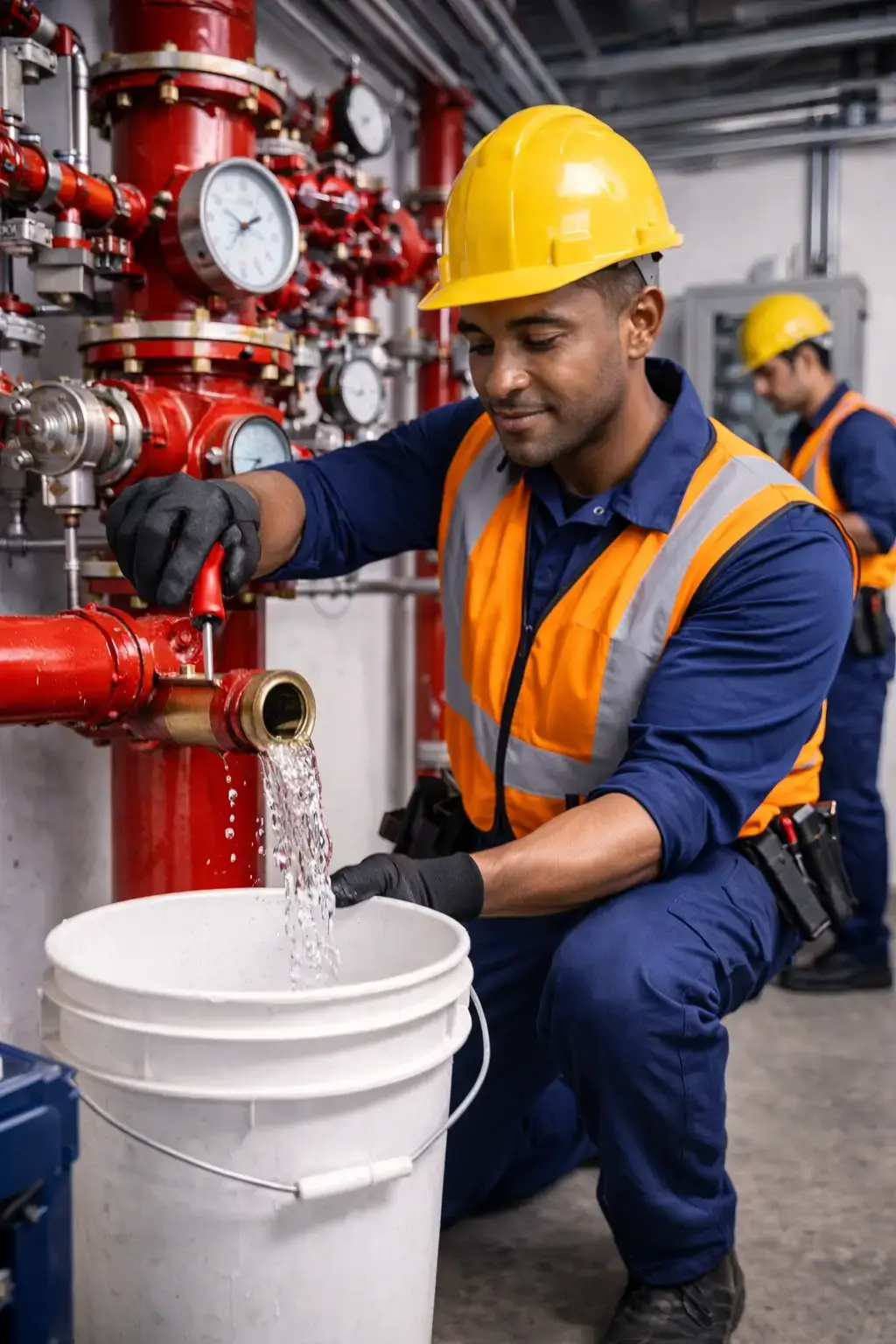
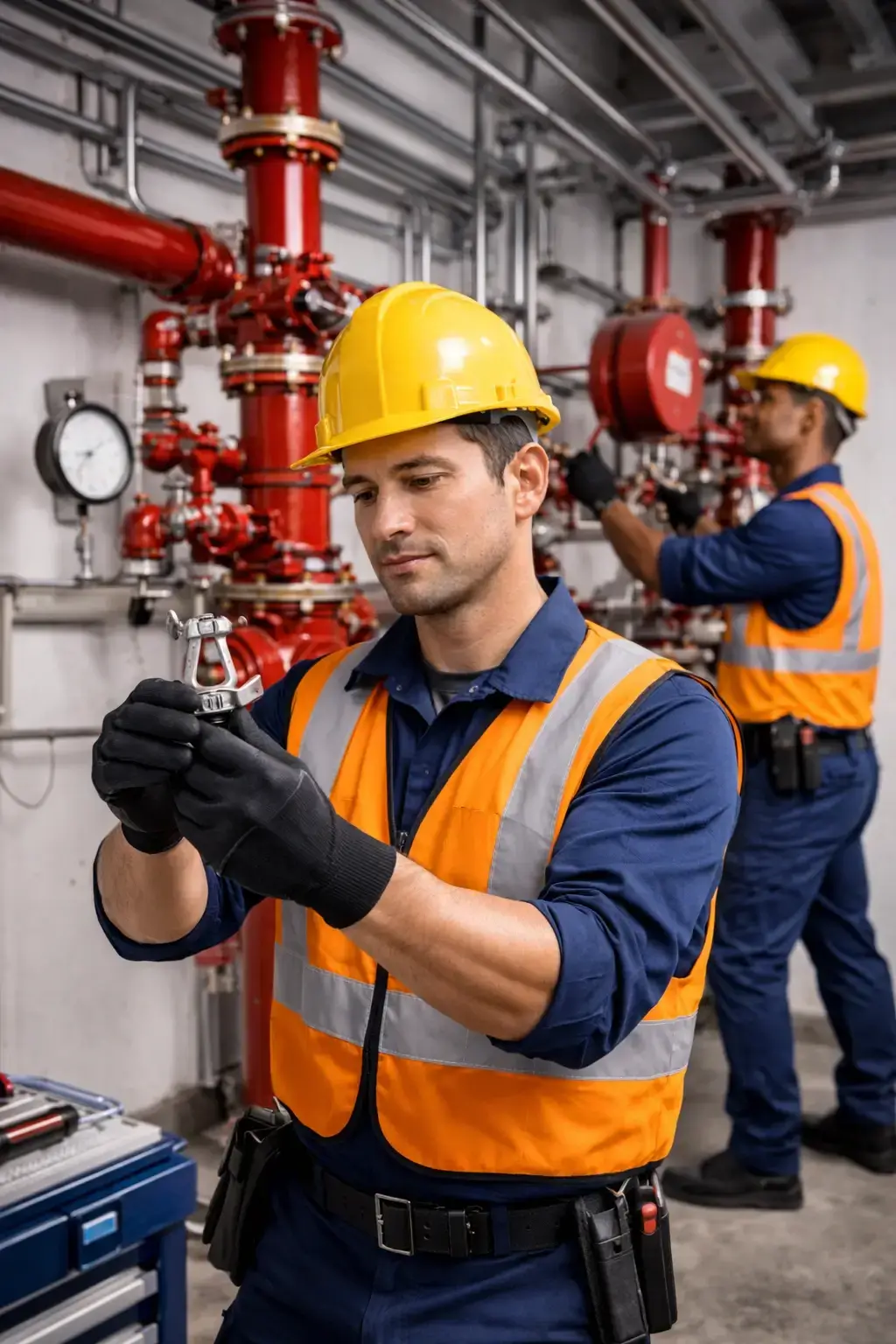
Fire sprinkler systems contain mechanical components that experience wear over time. Valves, gauges, alarms, and pumps require scheduled servicing to ensure proper function. Maintenance goes beyond basic inspections by addressing deficiencies, replacing worn parts, and optimizing performance.
Each service is performed in accordance with NFPA 25 guidelines and local fire codes.

Professional Fire Sprinkler Maintenance typically includes:
- Valve lubrication and adjustment
- Replacement of damaged sprinkler heads
- Corrosion monitoring and mitigation
- Pipe condition assessments
- Fire pump servicing
- Alarm device calibration
- Drain and flow component cleaning
- System performance evaluations
Protect Your Investment and Reduce Liability
Commercial buildings represent significant financial investments. Neglected fire protection systems increase risk exposure and potential downtime. Maintenance ensures that small concerns are identified and corrected before they escalate into major issues.
Detailed service records also demonstrate due diligence during fire marshal inspections and insurance audits.
Protect Your Investment and Reduce Liability
Even properly installed systems can degrade due to age, environmental conditions, or operational changes. Sediment buildup, corrosion, accidental valve closures, and mechanical fatigue can compromise system readiness.
Professional Fire Sprinkler Maintenance typically includes:
- Prevent unexpected system failure
- Reduce emergency repair costs
- Maintain insurance compliance
- Avoid citations and penalties
- Extend equipment lifespan
- Protect building occupants and assets
Tailored Maintenance for Complex Facilities
High occupancy and specialized facilities require customized maintenance strategies. Hospitals, schools, hotels, industrial plants, and multi tenant properties often operate under strict safety standards.
Experienced technicians perform maintenance efficiently while minimizing disruption to daily operations. Service scheduling can be coordinated to protect tenants, patients, staff, and guests.
Frequently Asked Questions
How often is Fire Sprinkler Maintenance required?
What is the difference between inspection and maintenance?
Can maintenance prevent system failure?
Will maintenance disrupt operations?
Are service records important?
For dependable Fire Sprinkler Maintenance tailored to commercial properties, Sprinklermatic provides experienced technicians and thorough service documentation. Contact Sprinklermatic today to develop a maintenance plan that keeps your fire protection system operating at peak performance.


automatic fire sprinkler maintenance automatic fire sprinkler maintenance automatic fire sprinkler maintenance pipe automatic fire sprinkler maintenance automatic fire sprinkler maintenance sprinkler system fire sprinkler system automatic fire sprinkler maintenance automatic fire sprinkler maintenance nfpa automatic fire sprinkler maintenance automatic fire sprinkler maintenance automatic fire sprinkler maintenance sprinkler system fire sprinkler system sprinkler systems pipe nfpa automatic fire sprinkler maintenance fire sprinkler systems automatic fire sprinkler maintenance fire sprinkler system automatic fire sprinkler maintenance sprinkler systems automatic fire sprinkler maintenance automatic fire sprinkler maintenance automatic fire sprinkler maintenance automatic fire sprinkler maintenance automatic fire sprinkler maintenance automatic fire sprinkler maintenance automatic fire sprinkler maintenance pressure gauge automatic fire sprinkler maintenance automatic fire sprinkler maintenance corrosion automatic fire sprinkler maintenance automatic fire sprinkler maintenance nfpa automatic fire sprinkler maintenance automatic fire sprinkler maintenance compliance fire sprinkler system pipe corrosion sprinkler system water pressure automatic fire sprinkler maintenance fire sprinkler system antifreeze inspections automatic fire sprinkler maintenance inspection sprinkler systems automatic fire sprinkler maintenance automatic fire sprinkler maintenance inspection sprinkler system automatic fire sprinkler maintenance automatic fire sprinkler maintenance fire sprinkler system corrosion inspections automatic fire sprinkler maintenance automatic fire sprinkler maintenance automatic fire sprinkler maintenance compliance automatic fire sprinkler maintenance control valves sprinkler systems pipe fittings automatic fire sprinkler maintenance sprinkler systems inspection pipe sprinkler system fire sprinkler maintenance sprinkler systems automatic fire sprinkler maintenance fire sprinkler system automatic fire sprinkler maintenance automatic fire sprinkler maintenance automatic fire sprinkler maintenance automatic fire sprinkler maintenance automatic fire sprinkler maintenance automatic fire sprinkler maintenance automatic fire sprinkler maintenance corrosion water supply fire sprinkler systems control valve automatic fire sprinkler maintenance compliance automatic fire sprinkler maintenance automatic fire sprinkler maintenance automatic fire sprinkler maintenance automatic fire sprinkler maintenance automatic fire sprinkler maintenance automatic fire sprinkler maintenance automatic fire sprinkler maintenance
Fire Sprinkler Maintenance Services for Commercial Properties
Fire Sprinkler Maintenance keeps your commercial sprinkler system compliant and operational. Our licensed fire protection professionals inspect sprinkler systems, risers, gauges, backflow preventers, valves, and sprinkler heads annually and monthly, perform sprinkler inspection tests per NFPA standards, document inspections and testing for the AHJ, and reduce leaks, corrosion, and costly repairs.
What Is Fire Sprinkler Maintenance and Why It Matters for Fire Safety Compliance
Fire Sprinkler Maintenance means scheduled inspecting, testing, cleaning, and repairing your fire sprinkler system to keep sprinkler systems in good working condition. Monthly visual inspections of control valves, pressure gauges, and risers, quarterly fire tests of waterflow and alarms, and annual inspections by NFPA trained, licensed fire protection professionals identify potential issues like leaking pipe, corrosion, blocked sprinkler heads, faulty backflow preventers, and low water pressure. Following NFPA standards, and keeping records, keeps your fire protection system compliant with the authority having jurisdiction and ready to suppress a real fire.
How regular fire sprinkler maintenance protects your building, people, and property
Regular Fire Sprinkler Maintenance reduces risk by identifying early signs of corrosion, leaks, frozen pipes, and blocked sprinkler heads before they compromise system performance. Consistent inspections protect occupants, safeguard assets, and reduce liability exposure while ensuring compliance with fire codes and insurance requirements.
Fire Sprinkler System Inspection, Testing, and Maintenance Schedule by NFPA Standards
NFPA based Fire Sprinkler Maintenance schedules break sprinkler system tasks into monthly, quarterly, and annual inspections so your fire protection systems stay in good working condition and compliant with NFPA standards and the authority having jurisdiction. Regular sprinkler inspections protect occupants, limit liability, and support insurance and permitting.
Short, routine checks catch corrosion, freezing, blocked sprinkler heads, faulty control valves, and leaks before they cause system failure. Licensed fire protection professionals visually inspect sprinkler systems and gauges, operate control valves, test alarms and flow switches, and verify records. Certified inspectors document PSI readings, water pressure, and system performance so you can stay compliant and audit ready.
If you want a simple schedule that maps your building to NFPA 25 requirements and removes fire safety guesswork, schedule a compliance review and annual inspection with our licensed fire sprinkler contractor today. Get a fast quote and priority inspection slot.
NFPA based inspection checklist: monthly, quarterly, and annual fire sprinkler system tasks
Monthly inspections include visual checks of gauges, control valves, sprinkler heads, and risers. Quarterly testing verifies alarm signals, waterflow devices, and supervisory components. Annual inspections evaluate system condition, perform required testing, confirm pressure readings, and review documentation to meet NFPA 25 compliance standards.
What licensed fire protection inspectors look for during fire sprinkler maintenance visits
Licensed fire protection inspectors examine pipes for corrosion, confirm proper valve positioning, test water pressure levels, inspect backflow preventers, verify alarm communication, and ensure sprinkler heads remain unobstructed. Detailed reports document deficiencies, corrective actions, and compliance status for AHJ review.
Commercial Fire Sprinkler Maintenance Services We Provide
From inspection and troubleshooting to repair and recordkeeping for sprinkler systems
Facility managers trust our Fire Sprinkler Maintenance to protect people, property, and budgets. We provide sprinkler inspections, visually inspect sprinkler systems, test each pressure gauge, exercise every control valve, and perform flow testing to NFPA standards. Our licensed fire protection professionals identify potential issues like corrosion, blocked sprinkler heads, leaks, or faulty check valves before they disrupt fire protection systems.
We follow national fire protection guidelines and NFPA standards for monthly inspection, quarterly fire testing, and annual inspections, including hydrostatic tests where required by the authority having jurisdiction. Every fire sprinkler inspection, sprinkler repair, or fire sprinkler maintenance task is documented in detailed checklists and digital records so you stay compliant with fire codes and insurance requirements.
Our qualified technicians service wet pipe sprinkler systems, dry systems, and preaction systems with fast troubleshooting, transparent pricing, and guaranteed workmanship that reduces liability.
Specialized fire sprinkler maintenance for wet, dry, preaction, and deluge systems
We maintain wet pipe systems, dry pipe systems, preaction systems, and deluge systems according to manufacturer specifications and NFPA standards. Services include trip testing, valve exercising, antifreeze evaluation, freeze protection checks, corrosion mitigation, and component replacement to keep every system type operating reliably.
Why Choose Sprinklermatic for Fire Sprinkler Maintenance and Emergency Service
Sprinklermatic makes Fire Sprinkler Maintenance straightforward for facility managers focused on fire safety and compliance. Our licensed fire protection professionals perform NFPA guided sprinkler inspections, test every gauge, valve, backflow preventer, and flow switch, and document results so your records satisfy any AHJ review and fire codes.
When a control valve sticks, a backflow fails, or sprinkler heads start leaking, you need a qualified fire protection contractor fast. We provide emergency sprinkler repair, troubleshooting for wet pipe systems, dry pipe systems, and preaction systems, and clear estimates to fix issues before they become costly obstructions.
Certified fire protection experts, fast response, and code compliant maintenance you can trust
Our certified inspectors visually inspect sprinkler systems, pressure gauges, pipes, risers, and system components, then perform flow tests, trip tests, and NFPA based fire protection testing requirements. We manage monthly, quarterly, and annual inspection schedules, winterization for freezing protection, antifreeze checks, and cleaning to keep your fire sprinkler system in good working condition.
From residential fire sprinklers to large commercial buildings, we handle corrosion, blocked heads, faulty triggers, repairs, and system maintenance tasks with detailed recordkeeping and an inspection report your authority having jurisdiction will accept.
Request an instant quote for fire sprinkler maintenance or schedule an annual inspection today
Protect your property with scheduled Fire Sprinkler Maintenance that keeps your system compliant and ready. Contact our licensed team to request a fast quote, schedule an inspection, and receive a customized maintenance plan aligned with NFPA standards.
Call now for a licensed fire sprinkler system evaluation and maintenance plan
Speak directly with a licensed fire sprinkler professional to review your system condition, confirm compliance requirements, and establish a maintenance schedule that protects your building, occupants, and long term investment.
Schedule Fire Protection Installation & Engineering Services
Protect your commercial property with professionally engineered and installed fire protection systems from Sprinklermatic.
Call 1-800-382-6688 today to schedule a consultation for fire sprinkler systems, fire alarms, life safety systems, inspections, retrofits, and commercial fire protection services throughout Florida.
24/7 Emergency Service: